

Imagine walking down a bustling city street, not giving a second thought to the infrastructure beneath your feet. What protects pedestrians and vehicles from the labyrinth of tunnels and utilities below? Manhole covers — a simple yet crucial element that safeguards our urban landscapes. The manhole cover weight isn’t just an arbitrary number; it’s a critical factor that ensures both safety and functionality. Too light, and it risks shifting under pressure, posing hazards to unsuspecting passersby; too heavy, and it complicates maintenance and installation processes.
Balancing safety and durability with the appropriate manhole cover weight is a delicate task that engineers and city planners tackle with precision. Each choice impacts public safety, infrastructure longevity, and even municipal budgets. By examining the intricacies involved in selecting the right manhole cover weight, we can better appreciate the complexities of urban planning. Dive into this fascinating world where engineering meets everyday reality, and discover how something as seemingly mundane as a manhole cover can play a pivotal role in keeping our cities safe and efficient.
Importance of Manhole Cover Weight in Urban Infrastructure
Manhole cover weight plays a pivotal role in ensuring the safety and integrity of urban environments. When a city street is designed, engineers must account for the loads imposed by vehicular traffic, pedestrian movement, and even occasional heavy machinery. A cover that is too light can shift or become dislodged under load, creating hazards for passing vehicles and pedestrians alike. Conversely, an overly heavy cover may be difficult to handle during routine inspections and maintenance, leading to inefficiencies and potential safety risks for utility workers. The precise balance of manhole cover weight is therefore essential in preventing accidental openings, minimizing maintenance downtime, and ensuring that the subterranean utilities remain protected from external pressures and tampering.

Beyond safety, manhole cover weight also influences long-term infrastructure resilience. Covers that are appropriately weighted resist corrosion and wear better, reducing the frequency of replacements and associated costs. Urban planners must factor in environmental conditions—such as freeze-thaw cycles, chemical runoff, and salt exposure on roads—that can accelerate material degradation. By selecting covers with the correct weight-to-strength ratio, municipalities can extend the lifespan of their underground access points while optimizing budgets. In essence, the right manhole cover weight is a small but critical detail in the broader tapestry of urban planning, infrastructure budgeting, and public safety management.
Factors Influencing Manhole Cover Weight Selection
Selecting the appropriate manhole cover weight is not a one-size-fits-all decision. Engineers and city planners must consider traffic classification, material composition, and installation location. Traffic classification ranges from light residential roads to heavy-duty highways and industrial sites. Covers on busy streets or near construction zones encounter higher dynamic loads and therefore require a greater weight to stay securely in place. In quieter areas, lighter covers may suffice, offering easier handling while still maintaining adequate safety standards.
Material choice also directly affects manhole cover weight. Traditional cast iron, ductile iron, and composite materials each have distinct density and strength characteristics. Composite covers are lighter and corrosion-resistant but may require larger surface areas to achieve comparable load-bearing capacity. Environmental conditions—such as exposure to chemicals, moisture, and temperature fluctuations—further guide material selection and influence the ideal weight. By considering these factors together, municipalities can strike the right balance between safety, longevity, and cost-effectiveness when determining the optimal manhole cover weight for each urban application.
Durability Requirements for Manhole Covers
Durability is intrinsically tied to manhole cover weight. A cover must withstand repeated loading cycles, resist abrasive wear, and endure the effects of weathering. Standard tests, such as impact resistance and static load-bearing assessments, gauge how covers respond to real-world stresses. Heavier covers often correlate with thicker cross-sections of material, yielding greater resistance to deformation and cracking. However, this must be balanced against practical concerns—excessive thickness can make opening and closing cumbersome, potentially increasing maintenance time and labor costs.
To satisfy durability requirements, manufacturers apply protective coatings and design features like reinforced ribs. These enhancements help distribute loads evenly, preventing stress concentrations that could lead to premature failure. Municipalities also consider lifecycle replacement costs; choosing a slightly heavier, more durable cover upfront can reduce the frequency of replacements and long-term expenses. Ultimately, a well-engineered manhole cover weight specification ensures that access points remain functional and secure throughout their intended service life.
Impact of Manhole Cover Weight on Installation Processes
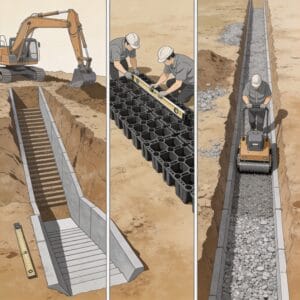
Installation processes are greatly influenced by manhole cover weight. Heavier covers require specialized lifting equipment or multiple workers, extending installation time and increasing labor costs. During urban construction projects, time is often of the essence, and cumbersome handling can lead to project delays. Conversely, covers that are too light may simplify installation but introduce risks of improper seating or displacement under load.
Balancing these factors, many municipalities adopt handling aids such as forklifts, lifting keys, or dedicated hoisting frames to manage heavier covers safely. Training for installation crews on proper lifting techniques and the use of personal protective equipment (PPE) also helps mitigate workplace injuries and installation errors. By optimizing the manhole cover weight with installation logistics in mind, cities can reduce both upfront labor demands and long-term maintenance challenges.
Engineering Standards for Manhole Cover Weight
Globally recognized engineering standards establish minimum requirements for manhole cover weight based on traffic load classifications. Organizations such as ASTM International and EN (European Norms) provide guidelines that specify load-bearing capacities, material properties, and dimensions. For instance, ASTM A48 outlines standard specifications for gray iron castings, including test methodologies for determining mechanical properties. European standard EN 124 categorizes covers into load classes from A15 (750 kg capacity) to F900 (90 ton capacity), with corresponding weight recommendations to ensure performance under designated loads.
Adherence to these standards ensures consistency, safety, and interoperability across different jurisdictions. Cities often reference multiple standards to cover local regulatory requirements, environmental conditions, and anticipated traffic loads. By drawing upon recognized guidelines, engineers can confidently specify the manhole cover weight that meets both national regulations and the unique demands of their urban environment, ultimately protecting public safety and infrastructure integrity.
Future Trends in Manhole Cover Weight Design
Emerging technologies and materials are poised to reshape how we approach manhole cover weight in the coming years. Composite materials—combining polymers, fiberglass, and reinforcements—offer significant weight reductions while maintaining or exceeding traditional strength benchmarks. These lighter covers simplify installation and reduce manual handling risks without sacrificing safety. Additive manufacturing (3D printing) also opens up possibilities for custom geometries that optimize load distribution, potentially reducing overall material usage and weight.
Smart covers integrated with sensors represent another future trend. Embedded devices can monitor load exposure, temperature, and tampering events in real time, alerting maintenance teams to potential issues before they escalate. While these technologies may add marginal weight, their overall benefits—increased safety, predictive maintenance, and data-driven decision-making—are likely to justify any extra mass. As urban centers grow smarter, the evolution of manhole cover weight design will continue to mirror advances in materials science and digital monitoring, creating safer and more efficient infrastructure systems.
Conclusion: Striking the Right Balance for Safe and Efficient Urban Infrastructure
Determining the optimal manhole cover weight is a multifaceted challenge, blending material science, engineering standards, and practical installation considerations. The right weight ensures safety under load, ease of maintenance, and long-term durability, all while aligning with budget constraints and environmental demands.
As urban landscapes continue to evolve, innovations in composite materials and smart monitoring systems will further refine how we balance these factors. Ultimately, thoughtful selection of manhole cover weight safeguards public safety, prolongs infrastructure lifespan, and enhances the overall resilience of our cities.




 English
 Español
 Русский