
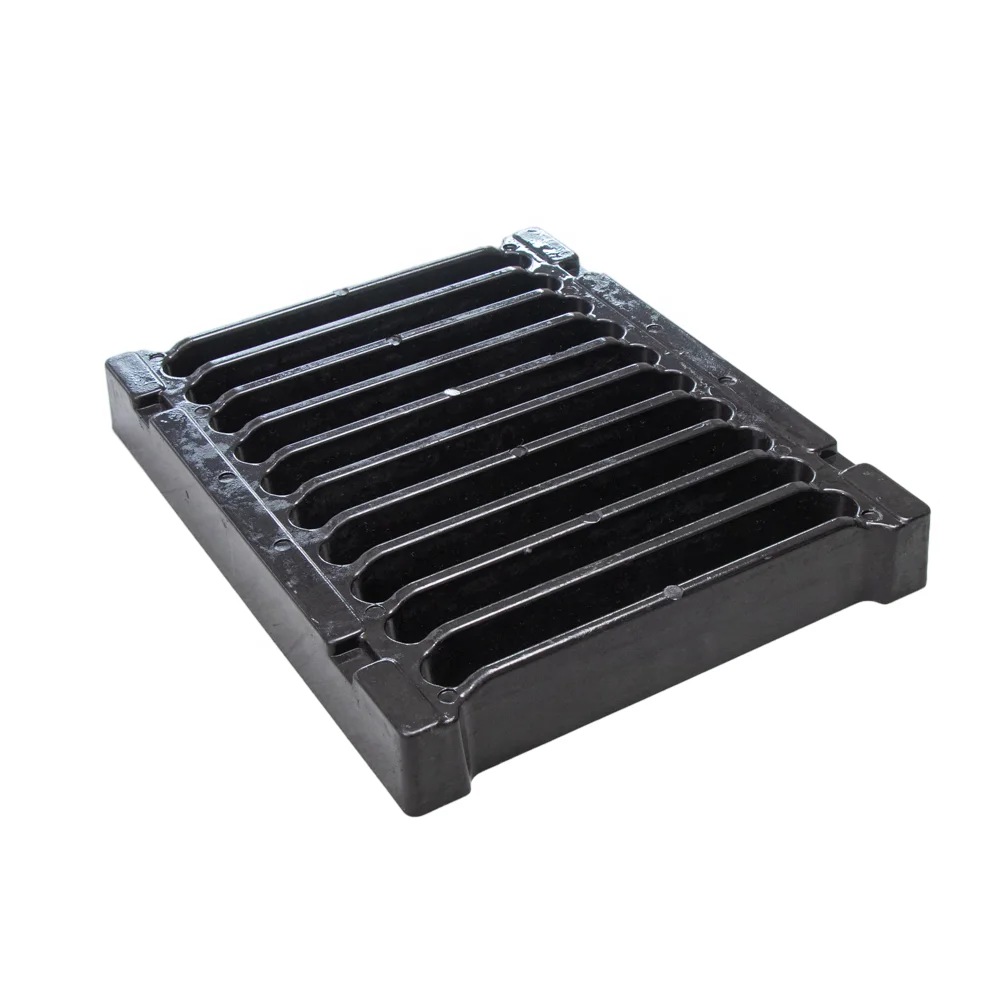
Imagine strolling through a bustling urban park, the sound of children playing and the rustle of leaves creating a serene backdrop. You might not notice it immediately, but embedded in the pathways beneath your feet are marvels of modern engineering—drainage grates that do much more than just manage stormwater. These essential yet often overlooked elements have undergone a quiet revolution, transforming from purely functional infrastructure into innovative design statements that enhance both aesthetic appeal and environmental sustainability.
Once dismissed as mundane necessities, drainage grates are now at the forefront of design ingenuity. Architects and urban planners are increasingly using them to weave artistic patterns into cityscapes, enhance safety with non-slip surfaces, and even integrate environmentally friendly features like bio-filtration. The evolution of drainage grate design is reshaping how we think about public spaces, marrying practicality with creativity in ways that were previously unimaginable. Join us as we explore these exciting innovations that are not only catching the eye but also setting new standards in urban design.

Artistic Patterns: Redefining Aesthetics in Urban Spaces
Urban environments are no longer content with plain, utilitarian metal bars snaking along sidewalks and plazas. Today’s designers embrace the drainage grate as a canvas, transforming it into an artistic focal point that complements the surrounding architecture. From intricate geometric tessellations to organic, flowing motifs inspired by local flora and fauna, these revamped drainage grates offer a subtle yet powerful way to inject personality into concrete jungles. By customizing patterns to reflect a city’s heritage or neighborhood identity, planners create a sense of place that resonates with residents and visitors alike.
Beyond aesthetics, the decorative drainage grate also serves a wayfinding function. Consistent pattern families can guide pedestrians through large parks or transit hubs, helping them navigate intuitively without relying on signage alone. The interplay of light and shadow cast by stylized openings adds a dynamic, ever-changing dimension to public plazas—each noon sunbeam and evening lamplight unveiling new visual angles. As a result, what was once hidden beneath our feet now contributes to an immersive urban experience, proving that even the most practical elements can be elevated to works of art.
Environmental Sustainability: The Rise of Bio-Filtration Features
Traditional stormwater management often relies on piping systems that funnel runoff directly into sewers or waterways, carrying pollutants and sediments along with the water. Innovative drainage grate designs are changing that narrative by integrating bio-filtration features right at street level. These specialized grates incorporate pockets for sand, activated charcoal, or engineered soil blends that trap oil, heavy metals, and other contaminants before they enter the drainage network. By combining mechanical filtration with natural processes, these systems reduce pollution at the source and help maintain healthier urban waterways.
Many cities are now piloting “living” grate systems, where native wetland plants grow in shallow basins beneath perforated surfaces. During dry weather, these micro-ecosystems sustain local biodiversity; when it rains, the vegetation and substrate absorb pollutants and slowly release cleaner water into downstream infrastructure. Maintenance crews periodically replace filtering media or prune vegetation, turning routine street sweeping into an eco-conscious operation. As a result, bio-filtration drainage grates not only manage stormwater more sustainably but also promote urban greening initiatives—creating small habitats and improving air quality in densely built environments.
Integrating Smart Technology for Improved Functionality
Modern city planners are embracing the Internet of Things (IoT) to turn passive drainage grates into active data-gathering points. Embedded sensors measure flow rates, detect blockages, and monitor water quality in real time, sending alerts to maintenance teams when intervention is needed. This proactive approach minimizes flooding risks, reduces manual inspections, and ensures that the drainage grate network remains fully operational even during heavy downpours.
Beyond monitoring, some smart drainage grate systems feature adaptive designs that adjust opening sizes based on storm intensity. Pneumatically or hydraulically actuated louvers beneath the grate can widen to increase capacity during peak flows, then retract during dry spells to prevent debris from entering the system. Coupled with predictive analytics—drawing on weather forecasts and historic data—these dynamic grates help municipalities optimize stormwater management, cut operational costs, and improve resiliency in the face of increasingly unpredictable climate patterns.
From Function to Form: The Evolution of Drainage Grate Design
In the early days of urban infrastructure, drainage grates were simple cast-iron rectangles with parallel slots—an unremarkable necessity. Over time, engineers recognized opportunities to refine materials and manufacturing methods, introducing corrosion-resistant alloys, polymer composites, and advanced casting techniques. These innovations yielded grates that are lighter, stronger, and more customizable than ever before.
Advancements in computer-aided design (CAD) and precision machining have further expanded creative possibilities. Designers can now prototype complex grate geometries that optimize hydraulic performance while maintaining structural integrity. Finishing options such as powder coating and anodizing enhance durability and color versatility, allowing drainage grates to blend seamlessly with pavement, decking, or landscape elements. What began as a purely functional component has become an integral part of urban design language, bridging the gap between engineering and artistry.
Conclusion: The Impact of Innovative Drainage Grate Designs
From aesthetic embellishments and eco-friendly filtration to adaptive smart systems, modern drainage grates have transcended their humble origins. They now serve as multipurpose assets that elevate urban landscapes, safeguard the environment, and enhance public safety.
As cities continue to evolve, the role of the drainage grate will only grow more prominent—proving that even the most ordinary infrastructure can be reimagined to meet the challenges of sustainability, functionality, and beauty in the 21st century.




 English
 Español
 Русский