

In the ever-evolving landscape of urban infrastructure, a quiet but significant revolution is taking place beneath our feet. Traditional materials that have been used in the construction of manholes for decades are facing stiff competition from an innovative contender—Manhole Chamber Plastic. This modern material is not only transforming how cities manage their underground networks but also promising a new era of efficiency and sustainability in urban planning.
The benefits of using Manhole Chamber Plastic over conventional materials like concrete or brick are manifold. Imagine a scenario where installation becomes faster, maintenance costs plummet, and environmental impact is reduced—all without compromising on durability or safety. This isn’t a distant dream; it’s the reality that cities worldwide are beginning to embrace. Join us as we delve into how this extraordinary material is reshaping cityscapes and paving the way for smarter, more resilient urban centers.
The Evolution of Manhole Chamber Construction
For much of the 20th century, manhole chambers were traditionally formed from heavy concrete rings or brick masonry set into compacted soil. These early designs prioritized structural strength but often fell short when it came to ease of installation, resistance to chemical attack, and adaptability to shifting substrates. In older neighborhoods, you can still find evidence of corroded steel frames, cracked concrete, and leaking joints that have compromised both safety and serviceability over decades. As cities expanded and underground networks grew more complex, the limitations of these conventional materials became increasingly apparent.
Enter polymer-based technologies in the late 1990s, which began to challenge the status quo. Early plastic manhole chambers were lightweight, modular, and impervious to many of the chemical aggressors that plague concrete and metal. Over time, improvements in resin chemistry, fiber reinforcement, and manufacturing methods led to high-density polyethylene (HDPE), polypropylene, and composite systems tailored for load-bearing and subterranean applications. Today’s Manhole Chamber Plastic systems represent the latest chapter in that evolution—combining decades of materials research with modern engineering practices to deliver reliable, adaptable, and environmentally friendly solutions for cities of all sizes.
Durability and Longevity Factors
When assessing the lifespan of any underground structure, resistance to environmental stressors and chemical attack is paramount. Manhole Chamber Plastic exhibits exceptional performance in both areas. Unlike concrete, which can degrade in acidic or sulfate-rich soils, and steel, which is prone to corrosion over time, polymer-based chambers remain chemically inert under a wide spectrum of operating conditions. This inherent stability translates into a service life that often exceeds 50 years with minimal maintenance.
Another key advantage lies in the material’s flexibility. Plastic manholes can tolerate small ground movements without cracking, a benefit that rigid concrete boxes cannot match. Thermal expansion properties of HDPE or polypropylene ensure that seasonal temperature fluctuations don’t lead to joint failure or structural fatigue. Together, these characteristics make Manhole Chamber Plastic an ideal choice in seismically active regions, areas with high water tables, or sites where heavy vehicular loads are routine.
Cost-effectiveness and Maintenance Considerations
While the upfront cost of Manhole Chamber Plastic may sometimes be slightly higher than basic concrete rings, the total cost of ownership tells a different story. Installation time is dramatically reduced due to the material’s light weight and modular design, which lowers labor expenses and equipment rental fees. In turn, project schedules are shortened, minimizing road closures and associated traffic management costs. These savings often offset any premium in purchase price within the first few projects.
Maintenance is another area where plastic chambers shine. The smooth internal walls of polymer systems resist fouling and accumulation of debris, reducing the need for frequent jetting or manual cleaning. Leak-tight seals keep groundwater out and sanitary flows in, cutting down the risk of infiltration and exfiltration that can burden treatment plants. Over the lifecycle of a chamber, reduced repair frequency and simpler inspections translate into tangible budgetary relief for municipal agencies and utility operators.
Installation Process and Efficiency
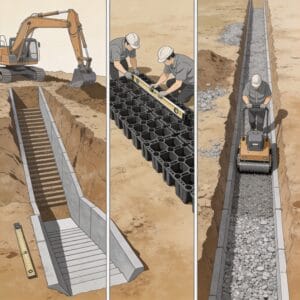
One of the most compelling arguments for Manhole Chamber Plastic is the installation speed. Traditional cast-in-place or brick-and-mortar chambers can take days to assemble, cure, and backfill properly. In contrast, prefabricated plastic units are delivered ready to install. Crews can position sections, snap or gasket them together, and adjust alignment in a matter of hours. This streamlined workflow is particularly advantageous for emergency repairs or projects in high-traffic zones where downtime must be kept to a minimum.
Lightweight panels and rings mean smaller lifting equipment, fewer crew members on-site, and simplified logistics. Since components arrive clean and free of concrete residue, there’s less environmental impact at the staging area. Additionally, integrated features such as built-in invert channels and pre-molded access locations eliminate custom cutting or field modifications. Overall, Manhole Chamber Plastic installations can be up to 50% faster than their concrete counterparts, dramatically improving project turnaround and public satisfaction.
Innovations and Customization Options
Advancements in polymer chemistry and manufacturing have unlocked a wealth of customization possibilities for modern manhole chambers. Color-coded rings, built-in flanges for lateral connections, and varying wall thicknesses allow engineers to tailor each installation to site-specific demands. Reinforced composite panels can be designed to handle higher load classes, while UV-stabilized surfaces withstand prolonged exposure during storage or construction phases.
Beyond physical attributes, smart technology integration is becoming more commonplace. Embedded sensors can monitor flow rates, detect structural movement, or measure gas concentrations, transmitting real-time data to maintenance teams. For historic districts or architecturally sensitive areas, decorative outer skins can mimic brick or stone finishes while retaining all the performance advantages of plastic. This fusion of form and function underscores the transformative potential of Manhole Chamber Plastic in meeting the diverse needs of 21st-century cities.
Conclusion: Embracing the Future of Urban Infrastructure
As municipalities strive for sustainable, cost-effective, and durable solutions, Manhole Chamber Plastic emerges as a clear frontrunner in underground utility management. Its superior chemical resistance, lightweight design, and rapid installation capabilities address the key pain points of traditional materials.
By integrating advanced polymer technologies with smart sensing and customization options, cities can future-proof their networks against evolving demands. The revolution beneath our feet is well underway—and it promises safer, more resilient urban environments for generations to come.




 English
 Español
 Русский