
Creative Ideas to Safely Cover a Manhole in Urban Spaces
In the bustling energy of urban landscapes, manholes are often overlooked, yet they play a vital role in facilitating our everyday convenience. However, their presence can pose safety risks if not properly attended to. Enter the world of innovative design solutions, where creativity and functionality merge to transform these mundane necessities into fascinating urban features. This blog post delves into ingenious approaches to cover a manhole, ensuring the safety of pedestrians while enhancing the aesthetic appeal of our cities.
Imagine strolling through your favorite city park and stumbling upon an eye-catching mosaic that not only captures your imagination but also serves as a protective layer for an otherwise stark manhole. From artistic installations to smart technology, municipalities around the globe are reimagining public spaces by turning potential hazards into captivating artworks. As we explore these creative ideas, you’ll discover how cities are not just maintaining safety standards but are also fostering a sense of community pride and engagement.
Artistic Installations: Transforming Manhole Covers into Urban Art
Urban art has surged beyond graffiti and murals, finding its way onto the very surfaces we walk on. Artistic installations that cover a manhole serve dual purposes: ensuring safety and infusing personality into the streetscape. Local artists and councils collaborate to design bespoke covers that reflect the city’s culture, history, or natural environment. From mosaic tiles depicting historical scenes to metalwork featuring abstract patterns, each design is a testament to craftsmanship and civic identity.
For example, in Lisbon, Portugal, vibrant tilework known as azulejos has long adorned sidewalks, including manhole covers. Each piece is hand-painted by artisans, creating a patchwork of stories underfoot. Similarly, in Melbourne, Australia, commissioned installations turn utility covers into mini art galleries showcasing indigenous motifs. These projects breathe life into functional objects, inviting pedestrians to pause and appreciate the beauty beneath their feet. By choosing to cover a manhole with art instead of plain iron, cities reduce the visual monotony of concrete jungles and encourage civic ownership. Community workshops often accompany these initiatives, where residents can contribute ideas or even help place tiles, fostering a sense of belonging and respect for public spaces.
Smart Technology Solutions: Innovative Ways to Ensure Safety
With the rise of smart cities, technology-driven methods to cover a manhole have evolved beyond decorative grates. Sensor-equipped covers monitor real-time conditions such as pressure, temperature, and unauthorized access. When a manhole is improperly closed or tampered with, an alert is sent to municipal authorities, enabling rapid response and preventing accidents. This proactive approach reduces liability and enhances public confidence in urban infrastructure.
In Seoul, South Korea, wireless communication modules embedded in covers track traffic load and detect potential blockages in sewer lines. Data is transmitted to a central dashboard, allowing maintenance teams to schedule repairs before issues escalate. Similarly, in Copenhagen, Denmark, solar-powered LED rings outline covers in low-light conditions, improving visibility for pedestrians and cyclists. These illuminated rings can change color to indicate maintenance alerts or high water levels during heavy rainfall. By integrating these smart solutions, city planners can cover a manhole not only for safety but also for seamless integration into digital infrastructure. The result is a blend of utility and intelligence that keeps urban environments responsive and secure.
Sustainable Materials: Eco-Friendly Options for Manhole Covers
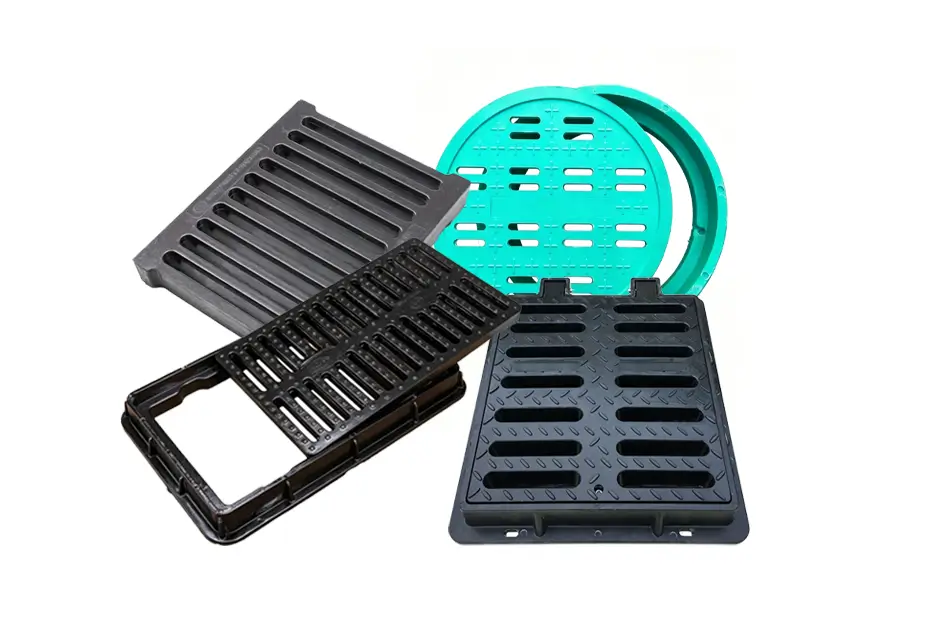
Traditional cast-iron covers are durable but resource-intensive. In response, innovative materials are emerging to cover a manhole with a smaller environmental footprint. Recycled plastic composites reinforced with fiberglass provide strength comparable to metal while reducing weight and greenhouse gas emissions during production. These composites resist corrosion and can be molded into intricate designs, merging sustainability with aesthetic flexibility.
Another promising material is bio-concrete infused with bacteria that precipitate calcium carbonate, effectively “self-healing” micro-cracks as they form. When used to create manhole covers or surrounding liners, this concrete extends service life and cuts maintenance costs. Copper-infused alloys are also gaining traction: copper’s natural antimicrobial properties inhibit bacterial growth inside sewers, making them particularly suitable for sanitation systems. By opting to cover a manhole with these eco-conscious alternatives, municipalities demonstrate a commitment to environmental stewardship while maintaining safety and durability. Pilot programs in Vancouver and Stockholm highlight how these materials perform under harsh climates, with results showing significant reductions in maintenance frequency and improved public perception of green infrastructure initiatives.
Historical Preservation Approaches: Blending Heritage with Functionality
Many historic districts feature original manhole covers with ornate patterns and town emblems. Preserving these artifacts while meeting modern safety standards requires creative solutions to cover a manhole without sacrificing authenticity. Municipalities often commission exact replicas made from modern alloys that meet load-bearing requirements but echo the original design.
In Edinburgh, Scotland, conservation teams removed 19th-century castings for restoration in workshops, replacing them temporarily with 3D-printed replicas. Once refurbished, the originals returned to their spots, ensuring both safety and heritage value. Likewise, in Boston’s Beacon Hill neighborhood, new covers respect the colonial-era motifs by using laser-cut steel panels with period-accurate scrollwork. This approach honors the past while providing secure, slip-resistant surfaces for contemporary traffic. By coupling historical preservation with modern engineering, cities can cover a manhole in ways that celebrate local history and reinforce community identity.
Collaborative Projects: Artists and Engineers Join Forces for Urban Beautification
When artists and engineers collaborate, the results often redefine urban functionality. These partnerships bring together creative vision and technical expertise to cover a manhole in innovative ways that satisfy safety codes and inspire onlookers. Early brainstorming sessions involve feasibility studies, load calculations, and material analyses to ensure each design meets structural demands.
In Tokyo’s Shibuya district, a cross-disciplinary team developed transparent resin covers embedded with LED-lit artworks. The resin withstands high traffic loads while showcasing dynamic light patterns after dark. Engineers fine-tuned the resin formula for impact resistance, while artists curated visuals reflecting seasonal festivals. Similarly, in São Paulo, Brazil, a muralist and a civil engineer co-designed perforated stainless-steel covers that double as stormwater filters. Rainwater passes through artistic slits into underground drains, reducing surface runoff and adding a touch of elegance to streets. Such collaborations demonstrate that covering a manhole need not be a mundane task but an opportunity for innovation. By merging diverse skill sets, cities can elevate infrastructure into public art and functional excellence.
Conclusion: The Intersection of Safety, Creativity, and Civic Pride
Covering manholes transcends mere utility when safety considerations intersect with artistry and sustainability. From sensor-based smart covers to recycled composite materials, the innovative approaches explored here prove that even the most commonplace elements of urban infrastructure can become showcases of creativity and environmental responsibility.
As communities continue to seek ways to beautify cityscapes, collaborative projects between designers, engineers, and residents will shape the next wave of manhole covers. These examples remind us that civic pride grows when safety and style walk hand in hand on every city street.






 English
 Español
 Русский