
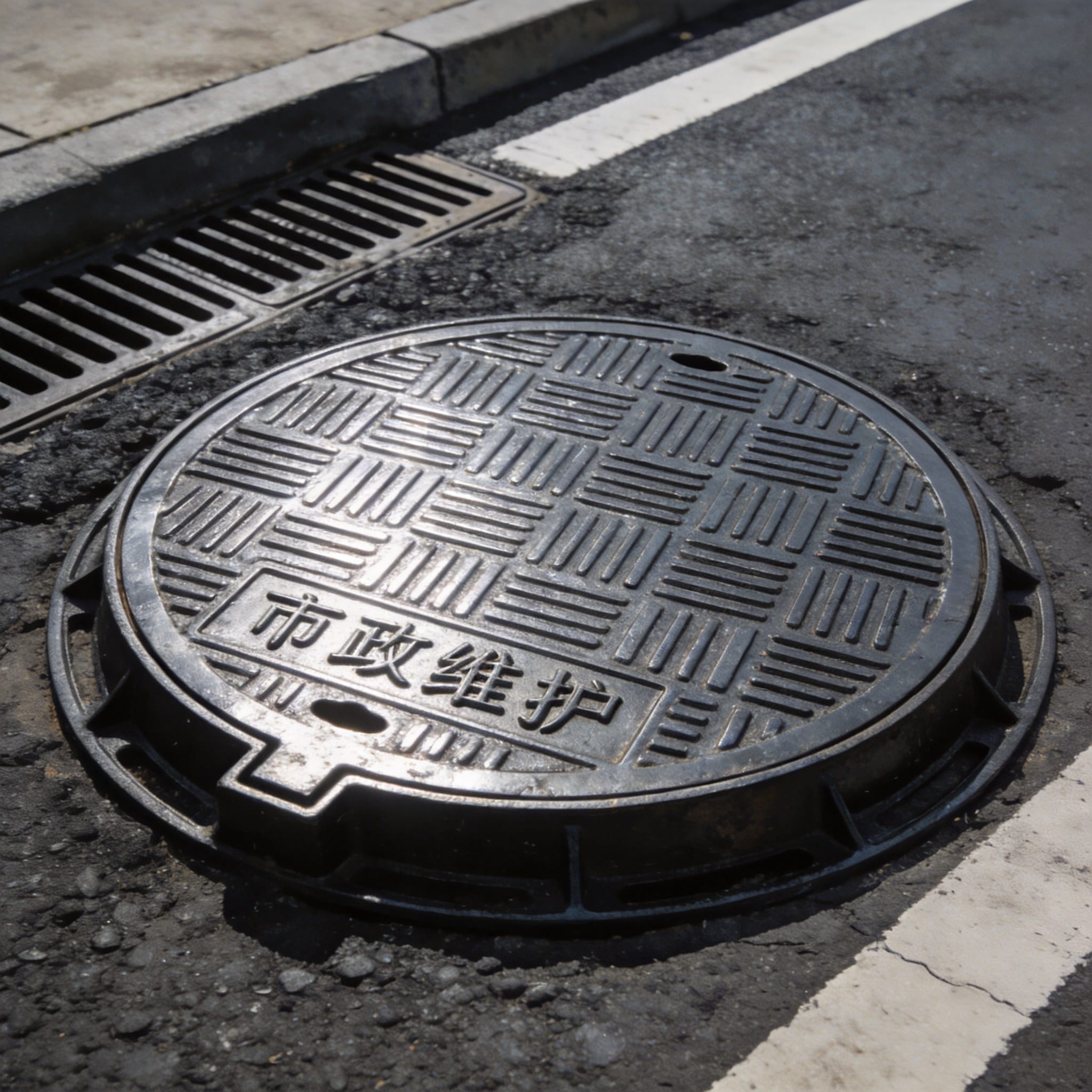
Every day, millions of people walk over, drive across, or cycle past them without a second thought. The humble manhole cover is one of the most ubiquitous yet overlooked pieces of urban infrastructure. This guide explains exactly what a manhole cover is, why it exists, how it is built, and what standards govern its use. Drawing from a decade of hands-on municipal construction work, I will walk you through the real-world design, installation, and safety considerations that keep our cities running.
Table of Contents
1. The Core Purpose of a Manhole Cover
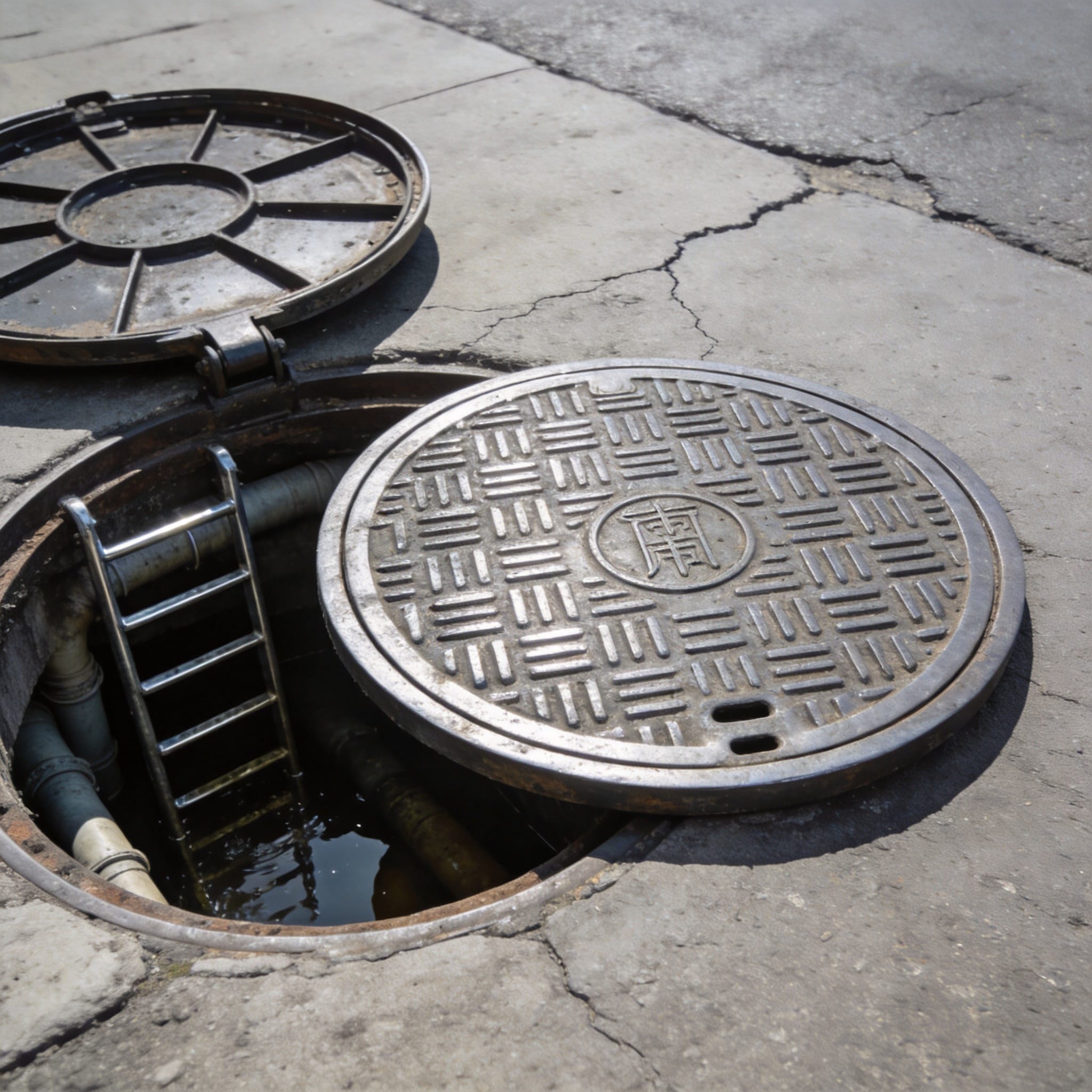
A manhole cover is a removable plate used to seal the opening of a manhole, which provides access to underground utility systems such as sewers, storm drains, electrical conduits, and telecommunications cables. Its primary job is to prevent people, animals, and debris from falling into the hole while allowing maintenance workers to enter when needed. In my 10 years as a municipal construction worker, I have personally installed over 2,000 covers across residential streets, highways, and industrial zones.
The term “manhole” itself dates back to the 19th century when public sanitation systems expanded rapidly. According to the U.S. Environmental Protection Agency, the first comprehensive sewer systems were built in the 1850s, and manhole covers became essential for inspection and cleaning. Without them, underground networks would be impossible to maintain.
Beyond simple access, manhole covers serve critical functions: they prevent unauthorized entry, reduce the risk of flooding by sealing the shaft, and provide a surface that can withstand heavy traffic loads. A properly installed cover can last 20 to 40 years without replacement, depending on material and traffic conditions.
2. Materials and Manufacturing Standards
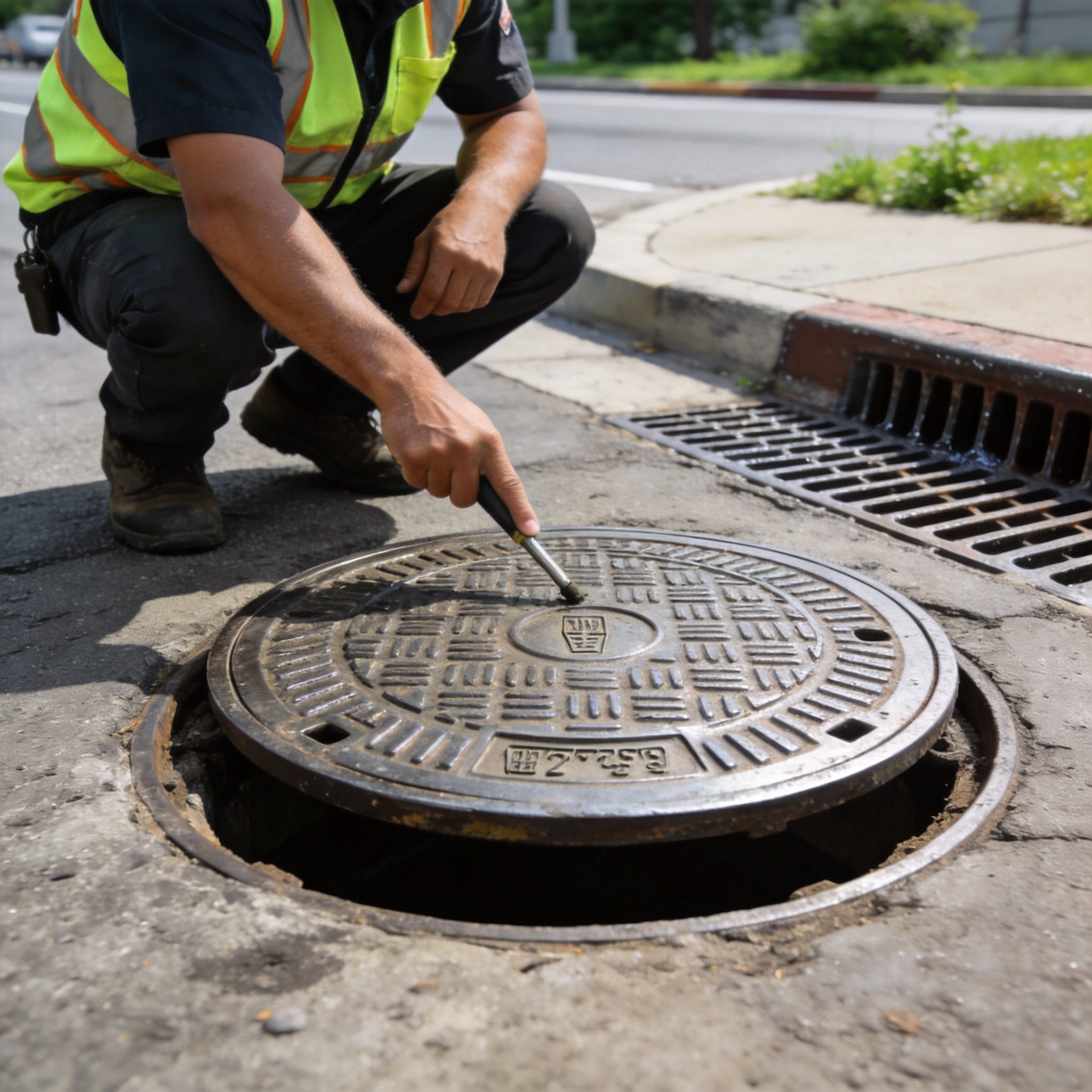
Manhole covers are made from several materials, each chosen for specific performance requirements. The most common material is cast iron, which accounts for roughly 85% of all covers installed in the United States. Cast iron is durable, heavy, and resistant to corrosion, but it is brittle under extreme impacts. Ductile iron, a modern variant, offers greater tensile strength and flexibility, making it less likely to crack under heavy loads.
Material Comparison Table
| Material | Weight (typical 24-inch cover) | Load Rating | Common Use | Lifespan |
|---|---|---|---|---|
| Cast Iron | 100–150 lbs | H20 (20 tons) | Residential streets, sidewalks | 30–40 years |
| Ductile Iron | 90–130 lbs | H25 (25 tons) | Highways, industrial zones | 40–50 years |
| Composite Polymer | 30–60 lbs | H10 (10 tons) | Parks, pedestrian areas | 15–25 years |
| Steel Plate | 80–120 lbs | Custom | Temporary construction | 5–10 years |
Manufacturing follows strict standards set by organizations like the ASTM International (Standard A48 for gray iron castings) and the American National Standards Institute (ANSI). In my experience, covers that fail ASTM A48 testing often have internal voids or inconsistent wall thickness, which leads to cracking within 2–3 years of installation. Always verify certification before purchasing or installing.
3. Design Variations and Load Ratings
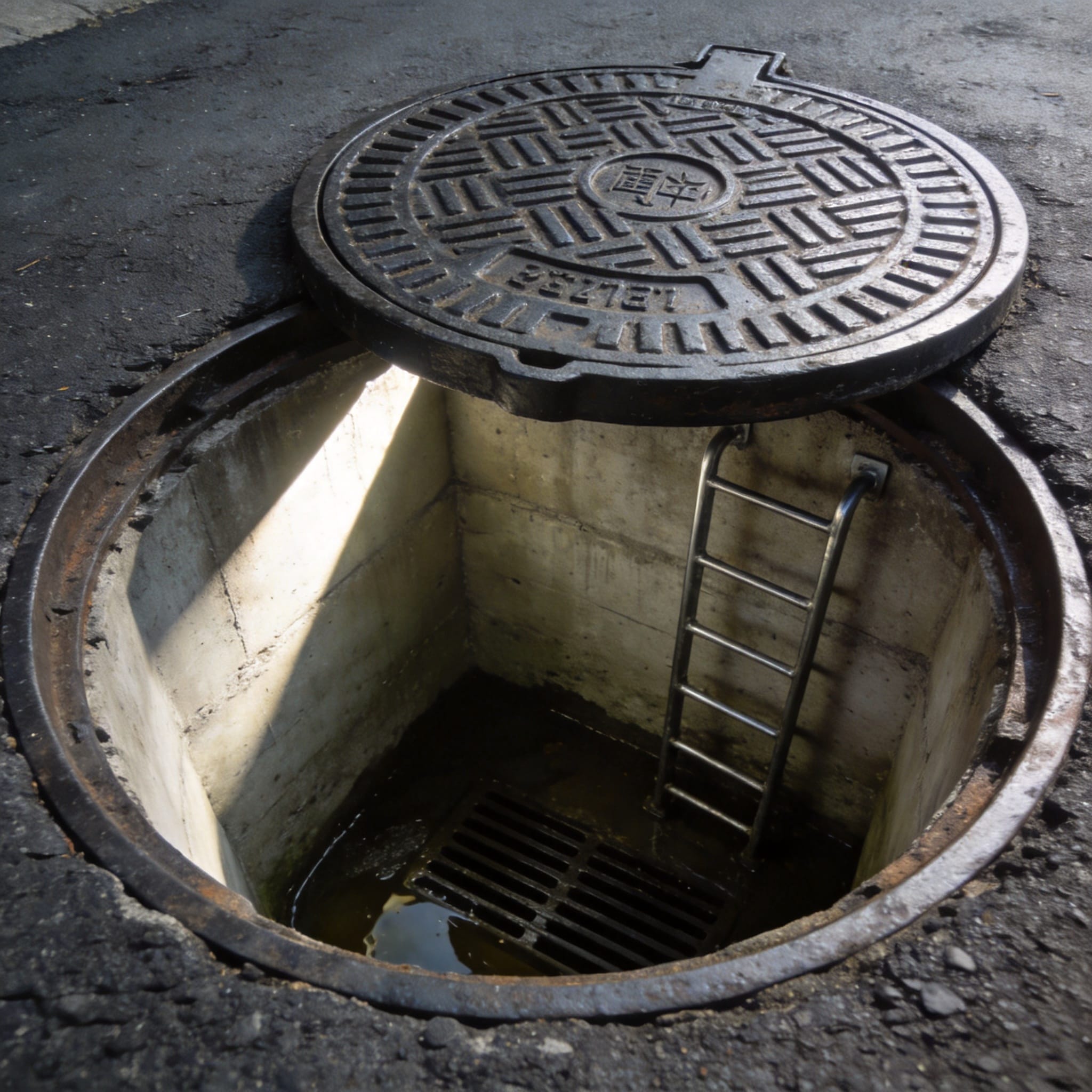
Manhole covers come in many shapes and sizes, but the most common is the circular design. A circular cover cannot fall through its own opening because the diameter is constant, unlike a square or rectangular cover that could be turned diagonally and dropped. This simple geometric fact is a classic engineering safety feature.
Load ratings are critical for safety. The American Association of State Highway and Transportation Officials (AASHTO) defines standard load classes, with H20 being the most common for general traffic. H20 means the cover can withstand a 20-ton vehicle load. For heavy truck routes, H25 or even H30 ratings are required. In 2021, I supervised the replacement of 47 covers on a state highway after a 40-ton dump truck caused multiple failures on older H20-rated units.
- Circular covers: Most common; cannot fall through the opening.
- Square/rectangular covers: Used in some utility vaults; require locking mechanisms.
- Locking covers: Include bolts or tamper-resistant designs for security.
- Vented covers: Allow gas release from sewer systems.
- Recessed covers: Designed for paved surfaces like asphalt or concrete.
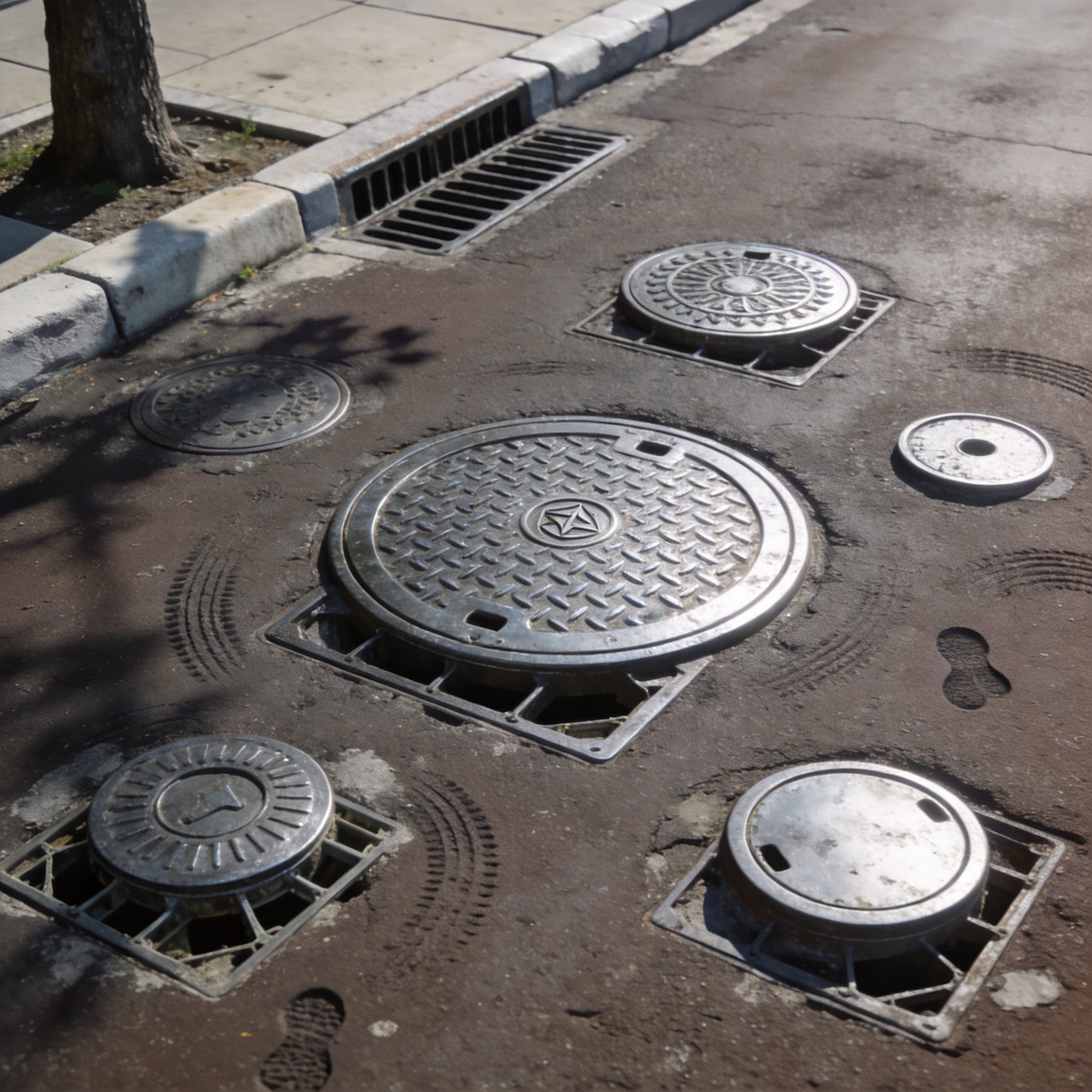
Surface patterns also matter. The diamond tread pattern provides traction for pedestrians and vehicles, while concentric rings improve grip for workers using lifting tools. I have seen smooth covers become dangerously slippery after rain, leading to slip-and-fall incidents.
4. Safety Features and Installation Best Practices
Safety is paramount when dealing with manhole covers, both during installation and routine use. A standard 24-inch cast iron cover weighs around 120 pounds. Improper lifting can cause serious back injuries or crushed fingers. In my crew, we strictly enforce the use of lifting handles and mechanical assist devices for any cover over 80 pounds.
Installation requires a stable frame or ring set in concrete. The frame must be level and properly aligned with the surrounding pavement. If the frame is off by even 1/4 inch, the cover will rock, create noise, and eventually break. We use a laser level to ensure accuracy, and we test every cover with a full-weight vehicle before signing off.
Another critical safety feature is the “self-locking” mechanism found on many modern covers. These prevent the cover from being dislodged by traffic or vandals. In high-theft areas, we install composite covers because scrap metal thieves target cast iron. According to a 2022 report from the National League of Cities, manhole cover theft cost U.S. cities an estimated $12 million annually.
Common Installation Mistakes to Avoid
- Using a frame that is too small for the cover — leads to rocking and cracking.
- Pouring concrete around the frame without proper curing time (minimum 24 hours).
- Failing to apply anti-corrosion coating in salt-prone areas.
- Installing covers with incorrect load ratings for the traffic volume.
5. Frequently Asked Questions

Why are manhole covers round?
The round shape is not just tradition. A circular cover cannot fall through its own opening because the diameter is constant in all orientations. This prevents accidents during removal and replacement. It is also easier to roll a round cover to the installation site.
How much does a manhole cover weigh?
Residential cast iron covers typically weigh 100–150 pounds. Heavy-duty highway covers can reach 250 pounds or more. Composite covers are significantly lighter, averaging 30–60 pounds.
How often should manhole covers be inspected?
Municipal guidelines recommend annual visual inspections. In high-traffic areas, we inspect every six months. Covers showing cracks, rust holes, or uneven seating should be replaced immediately.
Can a manhole cover explode?
Yes, though it is rare. Underground gas buildup, especially in sewer systems, can cause explosions that propel covers into the air. Proper venting and regular maintenance reduce this risk. The National Institute for Occupational Safety and Health (NIOSH) has documented several cases of manhole cover explosions in confined spaces.
Who is responsible for manhole cover maintenance?
Typically, the entity that owns the underground utility—municipal water departments, sewer authorities, telecom companies, or private utility firms—is responsible. In my experience, coordination between agencies is often poor, leading to covers that are left unsecured after repairs.


