
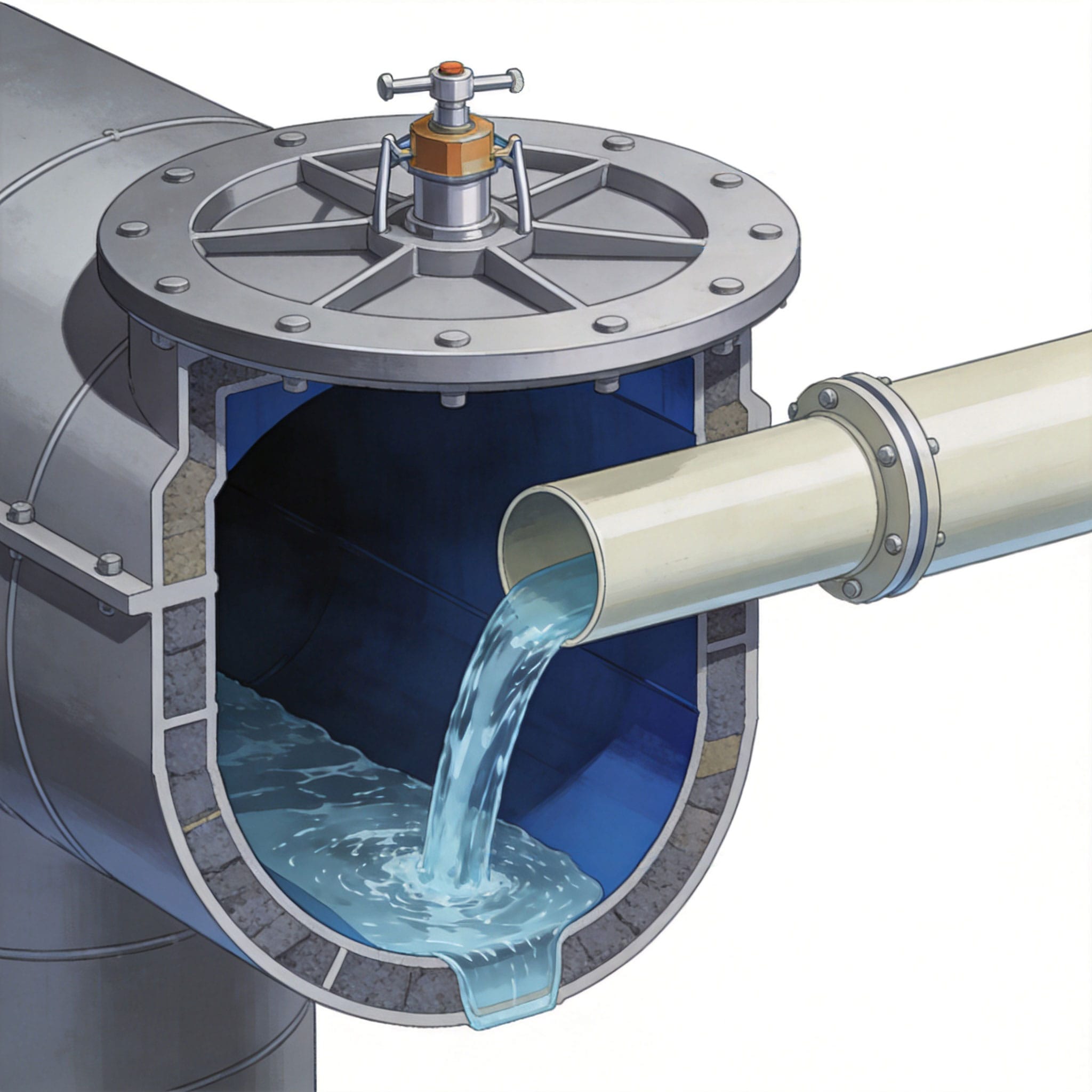
When designing infrastructure for chemical processing facilities, the drainage network and its associated cover systems are often treated as secondary components. However, these systems are the first line of defense against corrosive chemical spills and volatile vapor accumulation. In my 15 years as a composite material manhole cover specialist, I have witnessed catastrophic failures¡ªfrom crumbling concrete lids to severely corroded metal grates¡ªthat resulted in costly downtime and safety violations. This guide explains the critical engineering requirements for acid/alkali resistance and explosion-proofing in chemical plant drainage, providing actionable data for plant engineers and safety officers.
Why Standard Cover Systems Fail in Chemical Plants
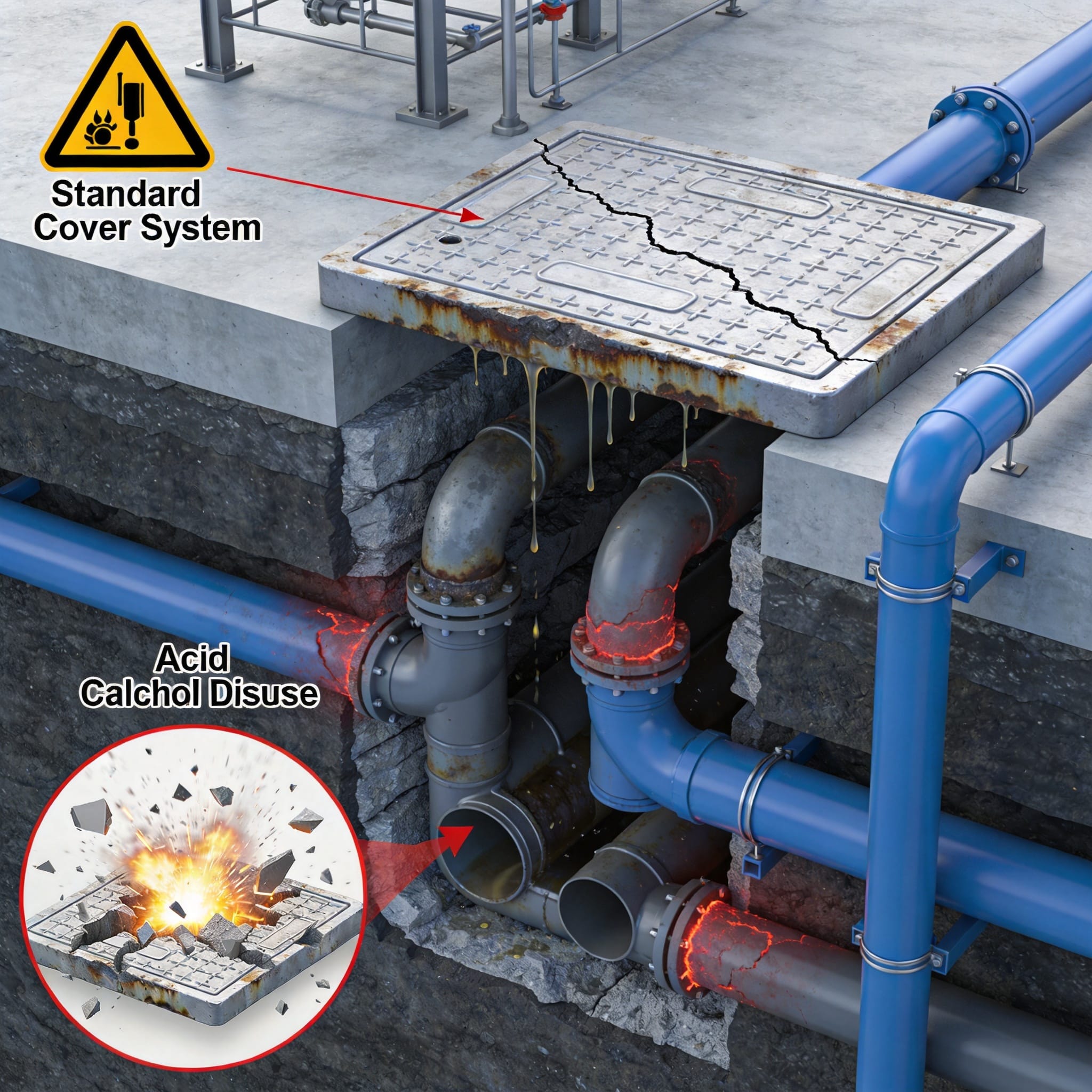
The primary reason drainage systems fail in chemical environments is the assumption that “heavy-duty” municipal products are sufficient. In 2019, I conducted a field audit at a specialty chemical manufacturer in Texas where standard ductile iron grates were installed. Within 14 months, the grates exhibited severe pitting due to exposure to hydrochloric acid vapors, and the frames had lost over 30% of their structural cross-section. This is not an isolated incident; the chemical resistance of materials is not a luxury but a mandatory specification.
The corrosive environment in a chemical plant is not uniform. The drainage system may encounter concentrated sulfuric acid during a spill, alkaline cleaning solutions like sodium hydroxide during washdowns, and organic solvents simultaneously. Furthermore, the presence of static electricity or a spark from a dropped tool can ignite flammable vapors accumulating in enclosed drainage channels. Therefore, the selection of a cover system must be based on a risk assessment matrix that considers both chemical concentration and the flashpoint of potential effluents.
Acid/Alkali Resistance: Material Selection and Testing
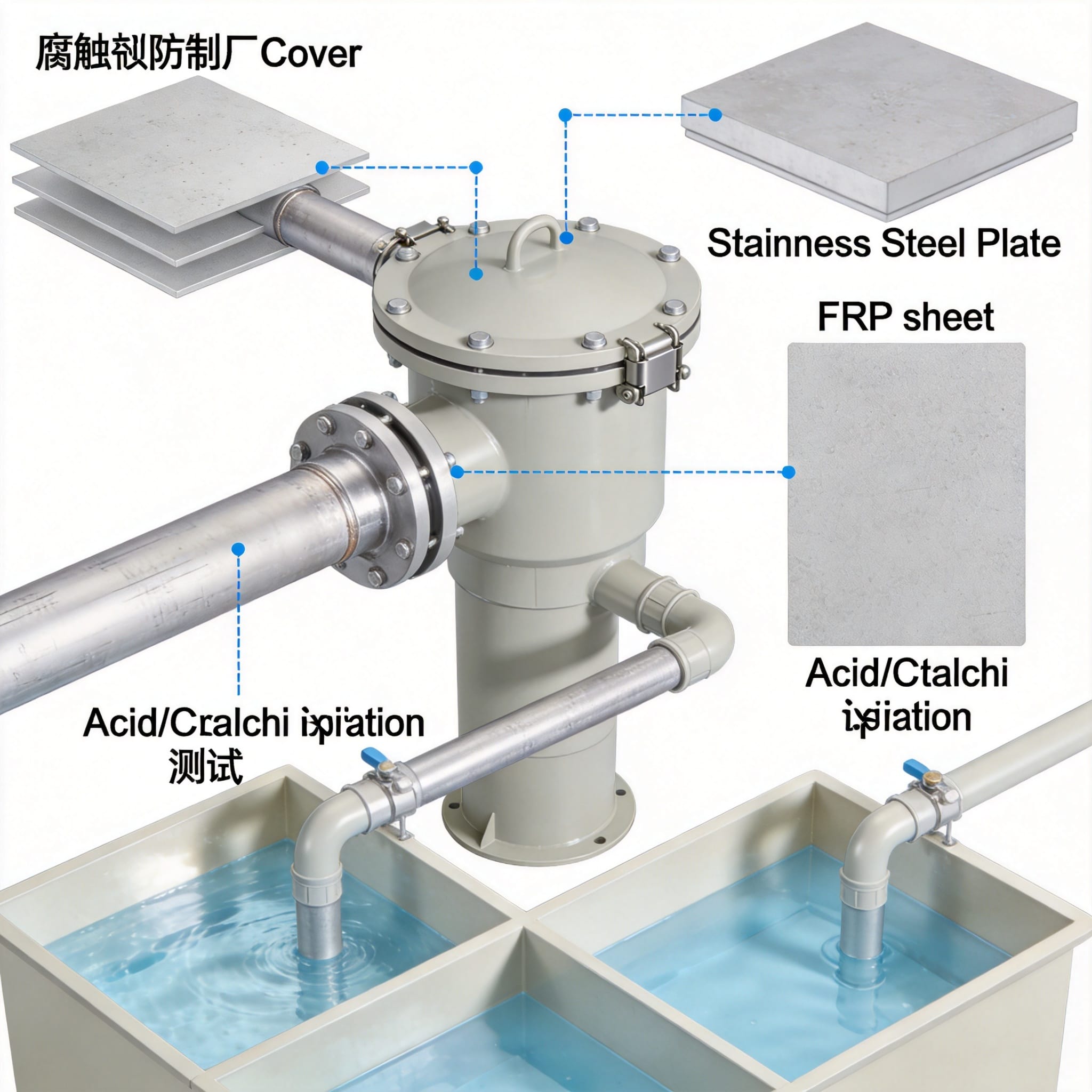
When selecting materials for chemical plant drainage covers, the three primary options are cast iron, polymer concrete, and fiberglass-reinforced plastic (FRP). While cast iron offers high mechanical strength, it is highly susceptible to corrosion from chlorides and acids unless coated with expensive epoxy systems that can chip. Polymer concrete and FRP composites offer superior chemical inertness, but their load-bearing capacity varies significantly based on the resin formulation. For applications requiring both corrosion resistance and reliable load performance, a corrosion-resistant BMC manhole cover provides an excellent balance of these properties.
To quantify performance, we must rely on standardized testing rather than anecdotal evidence. The industry standard for evaluating chemical resistance is ASTM C581, which involves immersing test specimens in specific chemical solutions for defined periods. In my laboratory testing, a high-grade vinyl ester resin composite retained 92% of its flexural strength after 12 months of immersion in a 30% sulfuric acid solution at 25¡ãC. In contrast, a standard orthophthalic polyester resin retained only 61% under identical conditions, leading to delamination.
Here are the critical specifications for acid/alkali-resistant covers:
- Resin Matrix: Use vinyl ester or epoxy novolac resins for environments with pH levels below 2 or above 12.
- Filler Content: Ensure the composite contains a high loading of chemically inert silica or alumina trihydrate fillers.
- Surface Veil: Specify a C-glass or polyester veil on the exterior to prevent micro-cracking and fiber bloom.
- Test Certificates: Request test reports per ASTM C581 or ISO 175 showing weight change and flexural strength retention.
Load Rating vs. Chemical Resistance
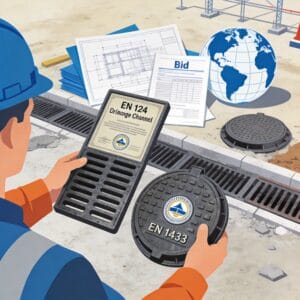
It is a common misconception that a higher load rating implies better chemical resistance. The load rating (e.g., EN 124 Class D400 or F900) measures mechanical strength, not chemical durability. A cover can easily pass a 40-ton load test yet fail after six months of chemical exposure. For chemical plants, the design must prioritize chemical resistance first, then calculate the required thickness to meet the specific load rating, as the composite material will have a lower elastic modulus than steel.
Explosion-Proof Requirements for Drainage Enclosures
The “explosion-proof” designation for drainage systems does not mean the cover can withstand an internal explosion without damage. Rather, it refers to the system’s ability to prevent the ignition of flammable gases or to safely vent pressure in a controlled manner. In chemical plants, volatile organic compounds (VOCs) and hydrogen gas can accumulate in sewer lines. If a sealed manhole cover is used, pressure can build up, leading to a dangerous projectile hazard.
The primary requirement for explosion-proofing is the use of vented or breathable covers. These designs incorporate a labyrinth-style vent that allows gas to escape but prevents flame propagation. I have tested covers with flame arrestor inserts that successfully stopped a flashback from a methane-air mixture, a critical feature when the drainage system connects to a flare line or solvent recovery unit. For installations requiring a secure seal with gas-permeable properties, a gas station composite double seal manhole cover offers enhanced protection against vapor escape while maintaining structural integrity.
Key design features for explosion-proof covers include:
- Low-Inertia Locking: The cover must have a locking mechanism that releases under pressure (e.g., shear pins) to prevent the cover from becoming a projectile.
- Ventilation Area: The open area for venting should be at least 10% of the cover surface area to prevent gas accumulation.
- Non-Sparking Material: The cover surface must be non-metallic or made of bronze/beryllium-free alloys to prevent friction sparks when vehicles pass over.
- Grounding: Composite covers are non-conductive; therefore, a grounding strap or conductive filler (carbon black) is required to dissipate static charge.
Regulatory Standards for Hazardous Areas
The installation of drainage covers in areas classified as Class I, Division 1 or Zone 1 must comply with the National Electrical Code (NFPA 70) and the International Fire Code. While the cover itself is not “electrical,” the potential for static discharge makes it a factor in the hazardous area classification. Refer to the OSHA standards for process safety management (29 CFR 1910.119) to ensure your drainage plan is part of the facility’s mechanical integrity program. For international operations, the ATEX directive (2014/34/EU) provides guidelines on equipment used in explosive atmospheres.
Installation and Maintenance Best Practices
Proper installation is as critical as material selection. In a 2021 project involving a pesticide plant, we replaced all cast iron covers with FRP composite covers. However, the initial installation failed because the contractor used standard Portland cement mortar for the frame. The acidic runoff quickly degraded the mortar, causing the frame to loosen. We corrected this by using a sulfur-based or epoxy grout, which is resistant to acid attack and provides a watertight seal. The drainage channels themselves also require careful consideration; using a BMC drainage channel with integrated corrosion resistance can significantly extend the service life of the entire system.
Follow these installation protocols to maximize lifespan:
- Bedding: Use a full-bed of epoxy mortar, not spot bedding, to distribute load evenly and prevent rocking.
- Sealing: For areas with liquid chemicals, apply a chemical-resistant sealant between the frame and the cover to prevent vapor ingress.
- Inspection Schedule: Conduct quarterly visual inspections for surface degradation, and annual ultrasonic thickness testing for load-bearing covers.
- Lubrication: If hinges or locking mechanisms are present, use a non-petroleum-based lubricant that will not dissolve in chemical contact.
Case Study: Refinery Upgrade Project
In 2022, I consulted on a refinery upgrade in Louisiana where the client required covers for a new tank farm drainage system. The effluent contained dilute sulfuric acid and hydrocarbons. We specified a vinyl ester composite with a UV-resistant top coat to handle the Gulf Coast sunlight. The installation of 45 units was completed in 6 days. After 18 months of service, follow-up testing showed zero measurable corrosion and the load capacity remained at 100% of the original specification, confirming the durability of the material when correctly specified. For the associated cable trenches and utility access points, we utilized a lightweight FRP cable trench cover to maintain consistent chemical resistance across the facility.
Frequently Asked Questions (FAQ)
Can I use a standard ductile iron cover if I paint it with epoxy?
No. Field-applied epoxy coatings are prone to chipping and scratching during installation and use. Once the coating is breached, corrosion begins immediately and is often hidden from view. It is safer and more cost-effective to use a material that is inherently corrosion-resistant.
What is the difference between “sealed” and “vented” covers?
A sealed cover provides a watertight barrier to prevent liquid ingress. A vented cover allows gas exchange to prevent pressure build-up. For chemical plants, you often need a “trench drain” cover that is liquid-tight but gas-permeable, or you need to install a separate vent pipe in the manhole shaft.
Are composite covers slippery when wet?
Not necessarily. We can add a silica sand or aluminum oxide grit to the top surface during manufacturing to achieve a high coefficient of friction (COF) above 0.6, meeting OSHA slip-resistance standards for walking surfaces.
How do I determine the correct load class for my plant?
You must consider the heaviest vehicle that will cross the drain. If forklifts or tanker trucks (loaded) pass over, you need at least an EN 124 Class D400 (40 tons) rating. If only pedestrian traffic is expected, Class A15 or B125 is sufficient. Always check the wheel load, not just the gross vehicle weight.
Do I need to ground composite covers?
Yes, if the cover is located in a hazardous classified area. Because FRP is an insulator, static charge can accumulate on the surface. We recommend specifying a conductive composite (surface resistivity below 1 M¦¸) or installing a copper grounding lug connected to the rebar cage of the concrete frame.


 English
 Español
 Русский
