
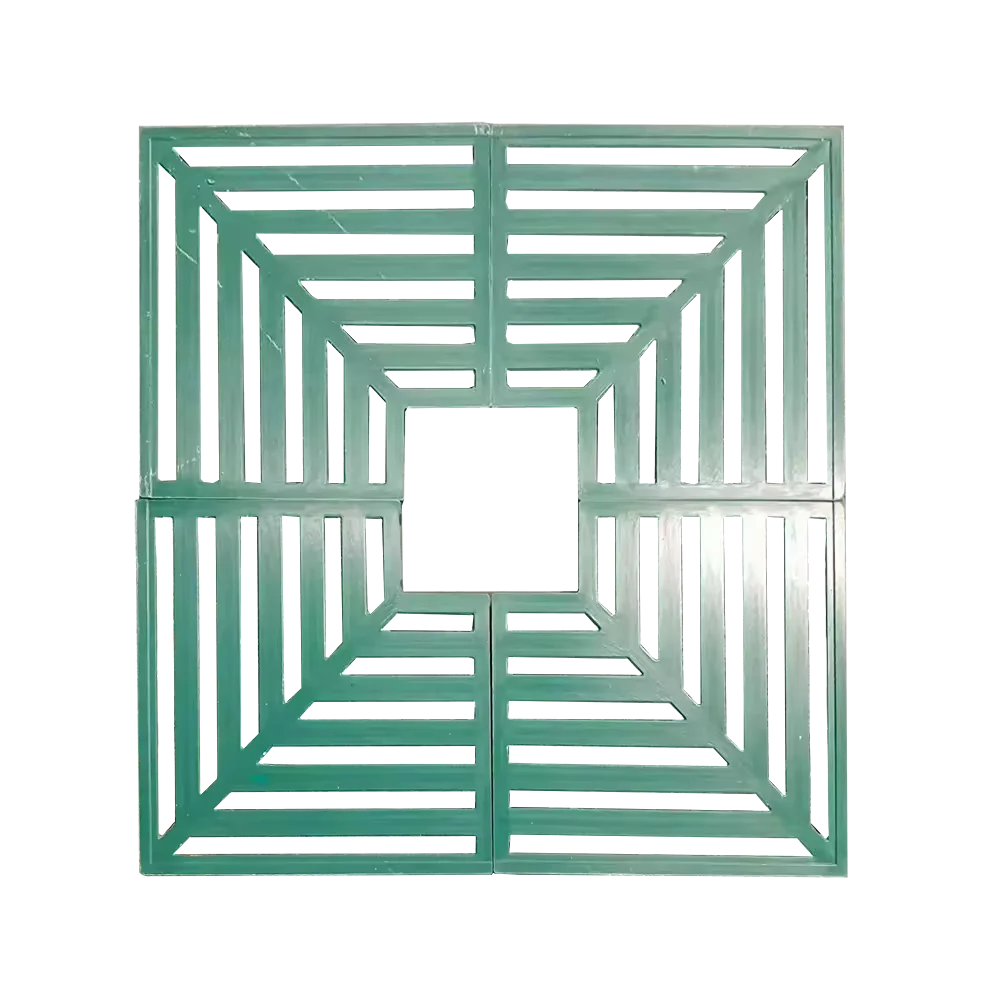
ADA Bar Grating: Enhancing Accessibility & Safety
We’ve all winced at the sight of someone stumbling over a wide metal sidewalk grate. For a person navigating a city block with a wheelchair, a walking cane, or even just wearing high heels, these everyday drainage covers can quickly become dangerous pedestrian traps.
While traditional industrial grating is engineered to support the massive weight of delivery trucks, that wide gap spacing completely ignores human needs. According to the foundational guidelines of the Americans with Disabilities Act (ADA), public infrastructure must guarantee safe passage for everyone, regardless of their physical mobility. This essential civil rights law recognizes that prioritizing heavy machinery over pedestrian safety creates unfair, invisible barriers in our daily lives.
Shifting our mindset transforms this issue from a frustrating legal requirement into a true investment in public well-being. By installing ADA bar grating, architects use tightly spaced metal joints and slip-resistant textures to physically eliminate severe tripping hazards. In practice, this simple commitment to accessible design turns a potentially terrifying obstacle into a seamless, welcoming walkway for every single person.
What is ADA Bar Grating? The Heavy-Duty Floor That’s Friendly to Feet
We’ve walked over metal floor surfaces thousands of times, usually without a second thought. These sturdy panels allow rainwater to drain and air to vent from underground, but creating a safe walking path over a literal hole in the ground requires smart engineering. At its core, this heavy-duty flooring is built from an intersecting web of metal.
These grates hold our weight while letting water through safely using three basic parts:
- Bearing bars: Think of these as the main vertical strips—they are the “heavy lifters” that carry the actual weight of pedestrians.
- Cross bars: These smaller pieces run sideways, acting as spacers to hold the bearing bars perfectly upright.
- Opening: This is the empty space between the metal, carefully sized to let air pass without catching a shoe.
Instead of relying on messy welding, manufacturers often use press locked grating (also known as pressure locked grating) to force these bars together under extreme force. This technique creates a clean, tight-mesh appearance that easily handles heavy crowds. Packing these bars closely together isn’t just an aesthetic choice; it actively prevents the dreaded “heel trap.”

Preventing the ‘Heel Trap’: Why 1/2-Inch Spacing is the Gold Standard for Sidewalk Safety
Have you ever hesitated before crossing a metal vent, worried your shoe might slip through? That everyday anxiety stems from traditional wide-gap grates, which easily trap high heels and mobility aids. To eliminate this hazard, ADA grating requirements ensure modern public walking surfaces are completely secure for every type of pedestrian.
The most critical safety rule for these pathways limits the empty space between the metal bars. Specifically, the maximum allowable opening for pedestrian grates cannot exceed one-half inch in the dominant direction of travel. This tight spacing creates heel-proof drainage covers for public sidewalks that safely support narrow shoes, walkers, and small stroller wheels without a single snag.
Inspectors use a remarkably simple tool called the “Sphere Test” to verify this measurement in the real world. If a half-inch solid ball can fall through the metal mesh, the surface fails the safety check. This practical standard guarantees that thin wheelchair casters or the tips of walking canes will smoothly glide over the steel surface instead of plunging into a gap.
While keeping these gaps narrow successfully prevents objects from falling through or getting stuck, smooth metal introduces a completely different hazard when the weather turns bad, requiring specialized surfaces to maintain traction.

Stop the Slide: How Serrated Surfaces Create Friction on Rainy Days
Picture running in smooth cotton socks across a polished hardwood floor. You will likely slide right past your destination before you can stop. Bare metal acts exactly the same way when wet. While narrow bar spacing successfully stops wheels from getting stuck, flat steel becomes incredibly slick during a rainstorm. To keep pedestrians safe on damp pathways, we rely on slip-resistant metal walkway panels that actively fight this sudden loss of traction.
To create friction—the physical force that stops your shoe from sliding forward—manufacturers alter the metal’s top layer. Comparing serrated vs smooth grating for safety usually comes down to matching the right surface texture to the surrounding environment:
- Smooth: Ideal for dry, indoor locations where weather and moisture aren’t a concern.
- Serrated: Cut with tiny, repetitive grooves (like the teeth of a handsaw) to firmly bite into shoe soles in wet areas.
- Grit-Coated: Treated with a rugged, sandpaper-like finish for extreme safety on steep or icy inclines.
When designing non-slip accessible walkway systems, especially for outdoor wheelchair ramps, serrated or grit-coated options are essential. These physical textures significantly increase the surface’s friction coefficient—the measurable amount of grip between the metal and a shoe—ensuring rubber cane tips stay entirely secure. Yet, adding texture is only half the battle against the elements. The structural material itself must be selected carefully to withstand environmental wear.
Steel, Aluminum, or Fiberglass? Selecting the Right ADA Grating for Every Climate
Adding grip stops slips today, but what ensures the grate survives tomorrow? Nature constantly attacks outdoor fixtures through atmospheric corrosion—the gradual rusting of material exposed to rain, humidity, or salt air.
Designers balance a material’s physical weight against how much foot traffic it can safely support. While a thick iron slab easily holds a crowd, lifting it onto a third-floor pedestrian bridge is an installation nightmare. Modern manufacturing instead optimizes the load bearing capacity of pedestrian friendly grates, providing incredible strength through smart engineering rather than sheer mass.
Finding that ideal weight-to-strength balance while surviving local weather usually leads to three primary options:
- Steel: Classic press locked steel grating is budget-friendly and exceptionally strong for inland areas, though it needs protective coatings to stop rust.
- Aluminum: Naturally rust-proof and lightweight, making it easy to install on multi-level buildings or municipal ramps.
- FRP (Fiber Reinforced Plastic): When comparing FRP vs aluminum walkways for corrosion resistance at coastal beaches, fiberglass (FRP) wins because ocean salt simply cannot rust it.
Matching your material to the local climate guarantees long-term public safety and lowers maintenance costs. Even the perfect weather-proof grate creates a hazard if installed backward. Proper directional orientation is essential to prevent vertical traps for mobility aids.
The Wheelchair’s Best Friend: Why Directional Orientation Prevents Vertical Traps
Even with half-inch gaps, a walkway becomes a trap if installed facing the wrong direction. Picture a wheelchair’s small front caster wheels. If long slots run parallel to movement, those wheels easily wedge into the gaps, causing a dangerous sudden stop. For truly wheelchair accessible steel floor systems, long openings must always run perpendicular (across) the travel path.

While perpendicular placement prevents traps, ride quality relies heavily on crossbars. These horizontal supports determine how bumpy the journey feels. When evaluating standard vs high-density cross bar spacing differences, tighter spacing always provides a smoother glide. Fewer gaps mean fewer jarring vibrations, allowing mobility aids to roll seamlessly over metal just like they do on solid pavement.
A perfectly accessible route also demands a flush, trip-free transition where concrete meets the metal edge. Any raised lip ruins the safety created by the directional orientation of bar spacing for wheelchairs. When correctly aligned and installed flush to the ground, these grates become invisible heroes of public design, seamlessly blending into daily routines and everyday infrastructure.
Where You’ll See It: Common Real-World Uses for ADA Bar Grating
Next time you walk through your city, take a moment to look down. You will likely step right over these specialized grates without noticing them, which is the ultimate goal of “quiet inclusion.” This seamless experience happens because multi-functional infrastructure serves a vital dual purpose. These metal surfaces allow heavy rainwater and essential subway air to pass through freely while simultaneously preventing tripping hazards in outdoor infrastructure.
Because architects must balance daily weather management with strict industrial flooring requirements for disability access, these accessible pathways appear constantly. You can easily spot them working in:
- Public Parks: Protecting delicate nature trails while providing firm footing.
- Subway Vents: Ensuring sidewalk safety for pedestrians over transit lines.
- Shopping Malls: Blending invisibly into sleek, aesthetic ramps.
- Office Buildings: Draining rainwater at busy entryways without disrupting foot traffic.
Building a Barrier-Free Future: Your Quick Checklist for Accessible Walkways
ADA-compliant grating is more than just steel—it’s a vital tool for inclusivity. Perform a quick visual audit of any metal walkway using this checklist:
- Gap check: Are spaces 1/2 inch or smaller?
- Texture check: Is there adequate slip resistance?
- Orientation check: Are gaps perpendicular to traffic?
- Material check: Are there durable coatings for exterior safety walkways?
By recognizing these features, you can confidently advocate for safer community infrastructure. Universal design provides true peace of mind, ensuring everyone can navigate our public spaces and get home safely.
Frequently Asked Questions (FAQ)
1. What is ADA bar grating and why is it required?
ADA bar grating is a type of metal walkway flooring designed to meet Americans with Disabilities Act (ADA) accessibility standards. Unlike traditional industrial grating with wide gaps, ADA-compliant grating features tightly spaced bars and slip-resistant surfaces to prevent tripping hazards for people using wheelchairs, canes, walkers, or high heels. The ADA recognizes that public infrastructure must guarantee safe passage for everyone, not just able-bodied pedestrians.
2. What is the maximum allowable gap size for pedestrian-safe grating?
The gold standard for sidewalk safety is a maximum opening of ½ inch (0.5 inches or approximately 13mm) in the dominant direction of travel. This tight spacing creates heel-proof drainage covers that safely support:
Narrow high heels
Wheelchair caster wheels (small front wheels)
Walker and cane tips
Stroller wheels
The “Sphere Test”: Inspectors use a ½-inch solid ball to test compliance. If the ball can fall through the grating, the surface fails the safety check.
3. What is the difference between serrated and smooth grating?
| Surface Type | Best For | Why |
|---|---|---|
| Smooth | Dry, indoor locations | No weather or moisture concerns |
| Serrated | Wet outdoor areas (rain, snow) | Tiny grooves cut into metal bite into shoe soles; creates friction |
| Grit-coated | Steep ramps, icy inclines | Sandpaper-like finish for extreme traction |
For wheelchair ramps and outdoor walkways: Serrated or grit-coated surfaces are essential. The physical texture increases the friction coefficient – the measurable grip between shoe/mobility aid and metal – preventing slips on rainy days.
4. What materials are available for ADA grating, and which is best for different climates?
| Material | Strength | Weight | Corrosion Resistance | Best For |
|---|---|---|---|---|
| Steel | Highest | Heaviest | Moderate (requires protective coating) | Inland areas, budget-friendly, high-traffic |
| Aluminum | High | Lightweight | Naturally rust-proof | Multi-level buildings, municipal ramps, easy installation |
| FRP (Fiberglass) | High | Lightweight | Excellent (saltwater cannot rust it) | Coastal beaches, chemical plants, marine environments |
Selection rule: Match material to local climate. Steel needs coatings to prevent rust. Aluminum is ideal for elevated walkways (lightweight). FRP is the only choice for corrosion-proof outdoor safety in salt-air environments.
5. Why does directional orientation matter for wheelchair accessibility?
Orientation is critical. For wheelchair-accessible steel floor systems, the long openings (slots) must run perpendicular (across) the travel path – not parallel.
Why it matters:
Parallel orientation – Small wheelchair caster wheels wedge into gaps, causing dangerous sudden stops
Perpendicular orientation – Wheels roll smoothly across crossbars without trapping
Crossbar spacing also affects ride quality: Tighter spacing = smoother glide. Fewer gaps mean fewer jarring vibrations, allowing mobility aids to roll seamlessly over metal just like solid pavement.
6. Where is ADA bar grating commonly installed?
You will find ADA-compliant grating in public spaces where drainage, ventilation, and accessibility must coexist:
| Location | Function |
|---|---|
| Public parks | Protects nature trails; provides firm footing |
| Subway vents | Allows air circulation while ensuring sidewalk safety |
| Shopping malls | Blends into aesthetic ramps without creating tripping hazards |
| Office building entries | Drains rainwater at busy doorways without disrupting foot traffic |
| Pedestrian bridges | Provides lightweight, slip-resistant walking surfaces |
| Ramps and inclines | Serrated or grit-coated surfaces for wheelchair safety |
Quick accessibility checklist for any metal walkway:
Gap check – Spaces ½ inch or smaller? (Fails if a ½-inch ball falls through)
Texture check – Serrated or grit-coated for wet areas? Smooth only for dry indoors?
Orientation check – Slots perpendicular to travel path? (Parallel orientation traps wheels)
Material check – Climate-appropriate coating or material (steel coating, aluminum, or FRP)?
Flush transition – No raised lip where concrete meets metal edge
Universal design is not just about compliance – it is about creating seamless, safe public spaces where everyone can navigate confidently. When correctly specified and installed, ADA bar grating becomes an invisible hero of inclusive infrastructure.




 English
 Español
 Русский