
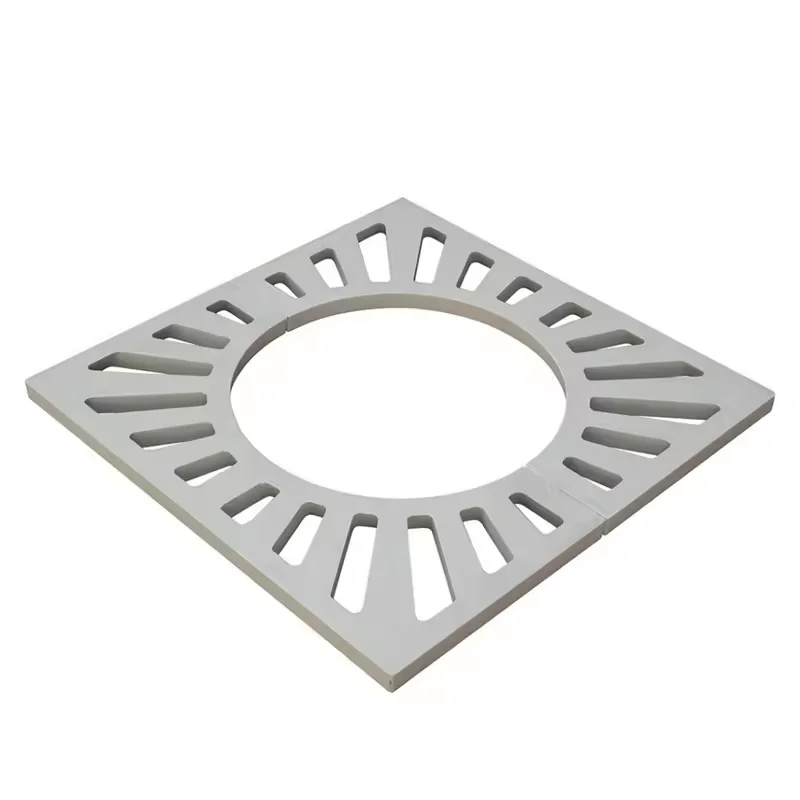
Benefits of Concrete Channel Drainage Systems
In the realm of effective water management, concrete channel drainage systems have emerged as a quintessential solution, offering both functionality and durability. These systems are indispensable in various applications, ranging from residential driveways to expansive industrial complexes. The versatility of these systems is matched by their ability to handle large volumes of water efficiently, making them a key component in modern infrastructure. In this article, we will delve into the myriad benefits of concrete channel drainage systems and explore why they are a preferred choice for managing stormwater and surface runoff.

Before examining the advantages of concrete channel drainage, it is essential to understand the critical role of drainage systems in infrastructure. Efficient drainage systems mitigate flooding risks, prevent erosion, and maintain structural integrity by channeling water away from vulnerable areas. Without proper drainage, water accumulation can lead to soil instability and damage to buildings and roads, causing costly repairs and safety hazards. They are vital in urban planning, safeguarding both public and private properties from water damage.
Moreover, drainage systems are crucial in maintaining the ecological balance of urban environments. By effectively controlling water flow, they help prevent urban flooding and reduce the risk of waterborne diseases. In areas prone to heavy rainfall, efficient drainage systems ensure that water is directed to designated outlets, minimizing the impact on surrounding environments. This not only protects infrastructure but also contributes to the overall quality of life in urban areas.
Key Benefits of Concrete Channel Drainage
Durability and Longevity
Concrete channel drainage systems are renowned for their robustness and long-lasting nature. Constructed from high-grade materials such as polymer concrete, these systems can withstand significant loads and harsh environmental conditions. This makes them particularly suitable for heavy-duty applications, including industrial sites and high-traffic areas. The inherent strength of concrete ensures that these drainage systems can endure extreme temperatures and resist wear and tear over time.
The longevity of concrete channel drainage systems also translates into lower maintenance costs. Unlike other materials that may require frequent repairs or replacements, concrete systems provide a long-term solution that remains effective for decades. This durability is particularly beneficial in areas where environmental conditions are harsh, ensuring consistent performance without the need for constant oversight.
Versatility in Application
One of the standout features of concrete channel drainage systems is their versatility. They are available in various configurations, including shallow drainage channels, low profile drainage channels, and precast concrete drainage channels. This adaptability allows for tailored solutions that meet specific site requirements, whether for residential, commercial, or industrial use. The wide range of options ensures that there is a suitable system for every application, from small gardens to large-scale industrial complexes.
Moreover, the design flexibility of these systems means they can be customized to fit aesthetic and functional needs. Whether integrating with modern architectural designs or blending into natural landscapes, concrete channel drainage systems offer solutions that enhance both functionality and visual appeal. This versatility is a significant advantage for urban planners and developers looking to create cohesive and efficient water management systems.
Ease of Installation

The installation process for concrete channel drainage systems is streamlined and efficient. Precast drainage channels are particularly advantageous due to their modular design, which simplifies the assembly and placement process. This modularity allows for quick installation, reducing disruption to the surrounding area and minimizing labor costs. Moreover, with the availability of DIY concrete drainage channels, homeowners can undertake installation projects themselves, reducing labor costs and expediting project timelines.
Furthermore, the ease of installation extends to maintenance and repairs. Should any section of the drainage system need replacing, the modular design facilitates quick and easy swaps without the need for extensive excavation. This makes concrete channel drainage systems a practical choice for projects with tight deadlines or limited budgets, ensuring that effective drainage solutions can be implemented swiftly and efficiently.
Environmental Considerations
Concrete channel drainage systems contribute positively to environmental sustainability. By effectively managing stormwater runoff, these systems help prevent pollutants from entering natural water bodies. This is crucial in urban environments where water pollution can have significant ecological impacts. Additionally, the use of materials such as polymer concrete, which often contains recycled components, further underscores their eco-friendly attributes.
Moreover, these systems support groundwater recharge by directing excess water to appropriate areas, reducing the burden on municipal water systems. This not only conserves water resources but also helps maintain natural hydrological cycles. By incorporating environmentally conscious materials and designs, concrete channel drainage systems offer a sustainable solution that aligns with modern environmental goals.
Specialized Types of Concrete Channel Drainage Systems
Heavy Duty and Industrial Applications
For applications requiring exceptional load-bearing capacity, heavy duty concrete drainage channels are ideal. These systems are engineered to support substantial weight, making them suitable for areas with heavy vehicular traffic, such as industrial parks and transportation hubs. The robust construction ensures that they can handle the stresses of constant use without compromising on performance.
In industrial settings, where chemical spills and heavy machinery use are common, the durability of heavy-duty drainage channels is particularly beneficial. They provide reliable drainage solutions that minimize downtime and prevent costly damages to infrastructure. The ability to withstand extreme conditions makes these systems an invaluable asset in maintaining operational efficiency and safety in industrial environments.
Shallow and Low Profile Channels
Shallow concrete drainage channels and low profile drainage channels are designed for areas with limited installation depth. These systems provide effective water management without compromising structural integrity or aesthetic appeal, making them perfect for residential landscapes and pedestrian pathways. The low profile design ensures that they blend seamlessly with their surroundings, maintaining the visual harmony of the landscape.
These systems are particularly useful in areas with space constraints or where traditional drainage solutions are impractical. By offering efficient water management in a compact design, shallow and low profile channels expand the possibilities for drainage solutions in challenging environments. They represent a versatile option that caters to the unique needs of urban and suburban developments.
Integration with Existing Infrastructure
Concrete channel drainage systems can be seamlessly integrated with existing infrastructure. Whether you are looking to install a driveway drainage channel or enhance stormwater management in a commercial setting, these systems offer compatibility and ease of incorporation. This adaptability ensures that they can be added to existing structures without the need for extensive modifications, preserving the integrity of the original design.
The ability to integrate with existing systems is a significant advantage in retrofit projects, where updating drainage infrastructure is necessary but space and resources are limited. By providing a flexible solution that enhances existing capabilities, concrete channel drainage systems facilitate efficient upgrades and expansions. This makes them an ideal choice for projects aiming to modernize infrastructure while optimizing resource use.
Installation Insights and Best Practices
by Mathias Reding (https://unsplash.com/@matreding)
Pre-Installation Planning
Before embarking on the installation of a drainage channel, thorough site analysis and planning are imperative. Assessing the topography, soil composition, and water flow patterns will inform the selection of the appropriate drainage system and ensure optimal performance. Detailed planning helps identify potential challenges and allows for the development of solutions tailored to the specific conditions of the site.
Understanding the environmental and structural context is crucial in avoiding issues that could arise during or after installation. By taking the time to conduct a comprehensive analysis, you can ensure that the chosen drainage system will function effectively and sustainably. This proactive approach reduces the likelihood of future complications and maximizes the system’s efficiency and lifespan.
Step-by-Step Installation Guide
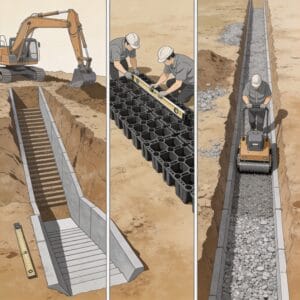
- Site Preparation: Begin by excavating the trench to the required depth, ensuring a stable and level base for the channel installation. Proper preparation is key to ensuring the structural integrity and performance of the drainage system.
- Channel Placement: Position the drainage channels within the trench, ensuring alignment and correct gradient for effective water flow. Accurate placement is essential to prevent water pooling and ensure efficient drainage.
- Securing the Channels: Use concrete bedding or anchors to secure the channels in place, preventing movement during heavy water flow. Stability is crucial to maintaining the system’s effectiveness under varying conditions.
- Final Adjustments: After installation, conduct a thorough inspection to confirm proper alignment and functionality. Make any necessary adjustments before covering the channels with grates or protective covers. This final step ensures that the system is ready for operation and capable of handling expected water volumes.
Maintenance and Upkeep
Regular maintenance is crucial to ensure the longevity and efficiency of concrete channel drainage systems. Periodic inspection for blockages, debris removal, and structural integrity checks will prevent potential issues and maintain optimal water flow. Scheduling routine maintenance helps identify and address minor problems before they escalate, preserving the system’s functionality and performance.
In addition to regular inspections, maintaining a clear record of maintenance activities can aid in identifying patterns or recurring issues, allowing for proactive management. By staying vigilant and responsive to the needs of the drainage system, you can ensure its continued operation and avoid costly repairs or replacements in the future.
Conclusion
Concrete channel drainage systems offer a robust and versatile solution for managing stormwater and surface runoff across various applications. Their durability, ease of installation, and environmental benefits make them a compelling choice for both residential and commercial projects. By understanding the specific needs of your site and following best practices for installation and maintenance, you can harness the full potential of these systems to protect and enhance your infrastructure.
Whether you’re dealing with a simple driveway installation or a complex industrial project, the adaptability and effectiveness of concrete channel drainage systems ensure they remain a cornerstone in modern water management solutions. As we continue to face challenges related to urbanization and climate change, these systems will play a crucial role in developing resilient and sustainable infrastructure.
Frequently Asked Questions (FAQ)
1. What are concrete channel drainage systems and where are they used?
Concrete channel drainage systems are precast or cast-in-place linear drainage solutions designed to collect and convey stormwater, surface runoff, and other wastewater away from critical areas. They are used in a wide range of applications including:
Residential driveways, patios, and landscaping
Commercial parking lots and plazas
Industrial complexes and loading docks
Roadways, highways, and airport aprons
Sports facilities and pedestrian walkways
Their robust construction and high load-bearing capacity make them suitable for both light-duty residential use and heavy-duty industrial applications.
2. What are the main benefits of concrete channel drainage over other materials?
| Benefit | Concrete Channel Drainage | Plastic/Polymer Alternatives |
|---|---|---|
| Durability | Excellent – withstands heavy loads, extreme temperatures, and UV exposure | Moderate – may become brittle or deform over time |
| Load capacity | High – suitable for vehicular traffic (up to F900 class) | Limited – typically for pedestrian or light vehicle use |
| Longevity | 50+ years with proper maintenance | 10–20 years depending on material |
| Chemical resistance | Good – resistant to most de-icing salts and mild chemicals | Varies – some plastics degrade with chemical exposure |
| Environmental impact | Can incorporate recycled materials; durable lifespan reduces waste | Often recyclable but shorter lifespan increases replacement frequency |
Concrete systems offer superior strength and longevity, making them ideal for permanent infrastructure where long-term reliability is critical.
3. What types of concrete channel drainage systems are available?
| Type | Description | Best For |
|---|---|---|
| Heavy-duty concrete channels | High-load capacity (D400 to F900); reinforced construction | Industrial sites, airports, highways, container ports |
| Shallow drainage channels | Low-profile design for limited excavation depth | Residential driveways, patios, pedestrian areas |
| Low profile drainage channels | Compact height; easy integration with existing surfaces | Retrofits, landscape projects, tight spaces |
| Precast concrete drainage channels | Factory-manufactured modular units | Quick installation, consistent quality, large projects |
| Polymer concrete channels | Resin-based concrete with enhanced chemical resistance | Industrial applications, areas with chemical exposure |
Choose based on load requirements, available depth, and environmental conditions.
4. How difficult is it to install concrete channel drainage?
Installation is straightforward for precast modular systems, though heavy sections may require equipment. Basic steps:
Excavate trench – Follow design specifications for depth and slope (typically 1–2% gradient)
Prepare bed – Compact gravel or concrete base for stability
Place channels – Align sections, ensuring correct slope and connection seals
Secure channels – Use concrete bedding or anchors to lock in place
Install grates – Choose from ductile iron, steel, or decorative options
Backfill and finish – Compact surrounding material; finish adjacent surfaces
For DIY projects: Smaller residential channels (light-duty) can be installed by homeowners. For heavy-duty or large-scale projects, professional installation is recommended.
5. How do I maintain concrete channel drainage systems?
Regular maintenance ensures optimal performance and longevity:
| Task | Frequency | Method |
|---|---|---|
| Debris removal | Monthly or after heavy rain | Remove leaves, litter, sediment from channels and grates |
| Inspect for damage | Quarterly | Check for cracks, spalling, or displaced sections |
| Check grates | Quarterly | Ensure grates are secure and free from damage |
| Flush system | Annually | Use high-pressure water to clear sediment buildup |
| Seal cracks | As needed | Repair minor cracks with concrete patching compound |
For industrial or high-sediment areas, increase inspection frequency. Properly maintained concrete channel drainage systems can last 50+ years.
6. Are concrete channel drainage systems environmentally friendly?
Yes. Concrete channel drainage offers several environmental benefits:
Stormwater management – Effectively channels runoff, reducing flood risk and preventing standing water
Pollution control – Can be integrated with sediment traps or oil separators to capture pollutants
Groundwater recharge – When designed with infiltration features, directs water to appropriate recharge areas
Recycled content – Many precast concrete channels incorporate recycled aggregates or industrial byproducts (e.g., fly ash)
Long lifespan – Reduced replacement frequency means less material waste over time



 English
 Español
 Русский