
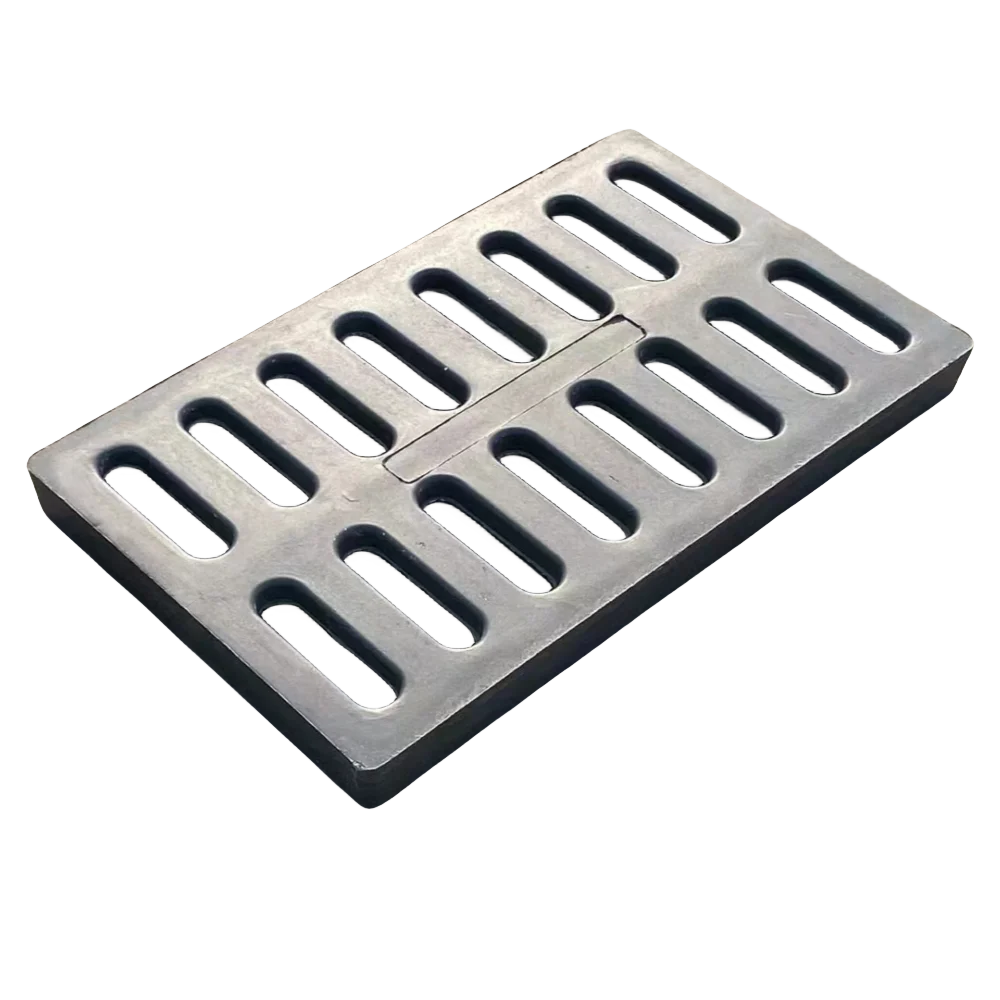
Catwalk Metal Grating Uses & Benefits Explained
Next time you climb an outdoor stadium staircase or walk across a transit vent, take a moment to look down. That sturdy, see-through floor beneath your boots is a masterpiece of hidden-in-plain-sight engineering known as catwalk metal grating. We tread on these grids countless times every year, rarely stopping to consider why architects choose them over solid concrete or wood.
Despite being mostly empty space, this material can easily support a literal ton of weight. According to basic structural engineering principles, metal grating for walkways boasts a remarkably high weight-to-strength ratio. By joining vertical bars in a specific grid pattern, manufacturers create a platform that uses the least amount of metal for the maximum amount of strength. This ingenious design makes the grating fundamentally stronger for its weight than a thick wood floor.
In practice, all that open area is the floor’s greatest feature rather than a flaw. Selecting a metal walkway grating with purposeful gaps allows rain to drain instantly, prevents dangerous ice buildup, and lets natural light pass through to levels below. This open-mesh design keeps pedestrians safe while dictating the technical choices that build our modern infrastructure.

Strength Without the Weight: Why Open Mesh Flooring Beats Solid Plates
Industrial platforms rely on metal grids instead of solid plates for a specific architectural reason. While thick steel is undeniably strong, it is also incredibly heavy and expensive. The genius of traditional bar grating is how it achieves massive strength while being mostly empty air. Instead of laying flat, the metal strips stand on their edges.
Think of these standing bars like the vertical pillars of a bridge. When you step on the grate, your weight doesn’t press down on one weak spot; it spreads across multiple vertical supports instantly. Engineers rely on this shared distribution when performing load bearing capacity calculations for platforms. Standing the metal up prevents bending, allowing the floor to carry heavy loads using a fraction of the material.
Beyond clever weight distribution, those open spaces solve a major safety problem. Solid outdoor floors collect rainwater, quickly turning into slippery hazards during heavy storms. Because a grate is mostly holes, water, snow, and dirt simply fall right through. Facility managers love the self-cleaning properties of open mesh flooring because it rarely needs sweeping, naturally keeping walkways safe and dry.
Designing with vertical bars creates a tough, weather-resistant pathway. Yet, welding hundreds of individual strips isn’t the only way to manufacture these structures. Some engineers take a completely different approach, using a fascinating manufacturing trick to stretch solid steel into an airy grid.
The Snowflake Method: Why Expanded Metal Catwalk Grating is a Material Masterpiece
While traditional grating involves welding intersecting bars together at perfect angles, engineers have another fascinating manufacturing trick. Imagine making a paper snowflake: you cut small slits into a solid sheet and pull it apart to reveal a wide, open pattern. Manufacturers use this exact method to create expanded metal catwalk grating. A machine stamps staggered slits into a solid steel sheet and stretches it, instantly forming a rigid, diamond-shaped mesh.
This technique provides an ingenious alternative to heavy industrial construction. When weighing bar grating vs expanded metal panels, builders often choose the stretched version for lighter pedestrian walkways. Here is how expanded grating compares to standard welded bars:
- Material waste: Stretching solid metal produces zero scrap, making it highly cost-effective.
- Weight per square foot: The expanded mesh is remarkably lighter, placing less strain on building supports.
- Slip resistance: The stretching process naturally twists the metal strands, creating built-in boot traction.
Because this floor remains a single, continuous piece of metal, there are no welded joints to snap under foot traffic. However, whether your walkway is stretched or welded, bare steel cannot survive harsh weather. To keep these intricate patterns from rusting away, engineers must decide how to armor them against the elements.
Zinc Raincoats vs. Pure Inox: Choosing the Right Corrosion Defense for Outdoor Walkways
Stepping outdoors introduces an invisible enemy to bare steel: moisture. Whether spanning an alleyway or wrapping a building, walkways must defend against constant oxidation, which causes rust and structural failure. To prevent this, engineers typically specify a grating galvanized finish for outdoor projects.
Think of galvanization as dressing the floor in a permanent zinc raincoat. By dipping raw metal into molten zinc, it gains an outer shield that absorbs damage from rain and snow so the steel stays intact. This affordable coating defends catwalks in typical weather for decades.
Sometimes, a simple raincoat cannot survive aggressive atmospheres like chemical plants or salty coastal air. In these extreme cases, builders upgrade to grating inox 304 (commonly known as ss grating or stainless bar grating). Instead of wearing a protective jacket, this material is inherently rust-proof all the way through, justifying its higher price tag.
The golden rule is simple: use zinc for standard rain, but invest in pure stainless steel for guaranteed corrosion resistance in offshore environments. Once the metal is protected from rusting away, the next critical safety step is ensuring the people walking on it do not fall.

Stopping the Slip: Why Serrated Anti-Slip Surfaces are Non-Negotiable in Wet Environments
Walking across a smooth steel plate during a snowstorm is vastly more dangerous than navigating a notched metal grid. When ice or oil coats flat metal, it becomes a dangerously slick rink. To build reliable metal grating for walkways, manufacturers cut tiny teeth into the top edges of the steel bars—a design called serration. These serrated anti-slip flooring benefits act exactly like aggressive winter tire treads, physically grabbing onto your boots to prevent catastrophic falls.
Different hazards require specialized textures. Facilities frequently compare grip strut vs perf-o grip safety grating when designing for extreme environments. Grip Strut features jagged, diamond-shaped openings that aggressively bite through thick mud, whereas Perf-O Grip uses raised, circular holes for a slightly smoother yet highly slip-resistant walk. Because flat surfaces fail entirely under heavy grease or snow, these aggressive patterns are strictly required in high-risk zones:
- Oil refineries
- Rooftop HVAC access
- Exterior fire escapes
Safety watchdogs like OSHA strongly prefer these high-traction designs to eliminate workplace hazards. Secure footing must be paired with underlying structural integrity to meet strict industrial safety standards.
Safe Spans and Solid Footing: Meeting OSHA Industrial Safety Standards for Platforms
Even with boots firmly planted, you must trust the metal floor won’t bow under your weight. This structural strength depends on the “span,” which is simply the distance between the solid beams supporting the grating. Think of a wooden plank bridging a creek; the wider the creek, the thicker the plank must be.
Engineers use this logic to set maximum span requirements for steel grating. If support beams are placed further apart, the metal bars must become taller and thicker. Performing accurate load bearing capacity calculations for platforms ensures the flooring can safely handle heavy, concentrated weight in one spot without sagging.
Keeping this sagging—known as deflection—to an absolute minimum is a cornerstone of fall protection for elevated work environments. A bouncy catwalk feels instantly unsafe, even if the metal hasn’t technically broken. Rigid floors provide the physical stability necessary for high-altitude confidence.
Protecting people walking below is equally critical for meeting OSHA industrial safety standards. Guidelines enforce strict gap sizes in the grating so dropped items like heavy wrenches cannot slip through and strike anyone below. Long-term survival and platform longevity require proper, consistent care.
Maintenance Secrets: How to Extend the Life of Your Structural Platforms by 20 Years
Sweeping trapped debris off a catwalk is actually essential for outdoor rooftop access system maintenance. When heavy dirt packs tightly into the open grid, it creates localized point-load stress. This means physical pressure focuses dangerously on one small spot instead of spreading safely across the supporting beams.
Regular inspections are the secret to preventing this structural fatigue. When walking the platform, check the welded joints for “pitting”—tiny, corrosive craters caused by rust. Even highly durable stainless steel floor grating requires occasional checkups to ensure these vital connection points haven’t weakened over time.
Thankfully, fixing minor scratches doesn’t mean replacing these cost-effective industrial flooring solutions. You can easily seal exposed edges using cold galvanizing spray, which acts like a protective liquid-zinc bandage against moisture. Following a systematic approach ensures you select the ideal industrial flooring for your specific needs.
The Walkway Checklist: 3 Steps to Selecting Your Ideal Industrial Flooring
You no longer just see a floor with holes; you see a masterpiece of efficiency and safety. When consulting ss grating suppliers for your next catwalk metal grating project, confidently avoid over-engineering by using this simple framework:
- Determine the load: Who or what is walking here?
- Assess the environment: Is it indoors or facing the elements?
- Select the safety level: Do you need a smooth or serrated surface?
Next time you stroll across architectural mesh for pedestrian bridges, look down. Appreciate the decades of guaranteed longevity beneath your feet. Recognizing these structural choices reveals the everyday engineering that keeps our infrastructure safe.

Frequently Asked Questions (FAQ)
1. Why is catwalk metal grating stronger than solid steel plates despite being mostly empty space?
Metal grating achieves high strength through vertical load distribution. Instead of lying flat, the metal strips stand on their edges (like bridge pillars). When weight is applied, it spreads instantly across multiple vertical supports rather than pressing down on one weak spot. This design gives grating a remarkably high weight-to-strength ratio – it uses less metal to carry more weight than a solid plate. The open spaces also allow rain, snow, and debris to fall through, preventing slippery buildup.
2. What is the difference between welded bar grating and expanded metal grating?
| Grating Type | Manufacturing Process | Best For | Key Characteristics |
|---|---|---|---|
| Welded bar grating | Intersecting metal bars welded at right angles | Heavy industrial loads, high-traffic areas | Very strong, customizable spacing, traditional choice |
| Expanded metal grating | Stamped slits into solid sheet then stretched (like a paper snowflake) | Lighter pedestrian walkways, cost-effective projects | Zero material waste, naturally twisted strands for slip resistance, no welded joints |
Expanded metal is a single continuous piece – there are no welded joints to snap under foot traffic, making it highly durable for its weight.
3. How do I choose between galvanized and stainless steel grating for outdoor use?
| Material | Corrosion Protection | Cost | Best For |
|---|---|---|---|
| Galvanized steel | Zinc coating (acts like a permanent raincoat) | Affordable | Standard outdoor rain/snow exposure |
| Stainless steel (304/316) | Inherently rust-proof all the way through | Higher | Chemical plants, coastal/salty air, offshore environments |
Golden rule: Use zinc-coated galvanized for typical weather; invest in pure stainless steel for guaranteed corrosion resistance in aggressive atmospheres.
4. What is serrated grating and why is it required in wet environments?
Serrated grating has tiny, saw-like teeth cut into the top edges of the steel bars. These teeth act like aggressive winter tire treads, physically grabbing onto boot soles to prevent slips on wet, icy, or oily surfaces. Flat steel plates become dangerously slick rinks in adverse weather.
High-risk zones where serrated grating is non-negotiable:
Oil refineries (oil spills)
Rooftop HVAC access (rain exposure)
Exterior fire escapes (ice buildup)
Food processing plants (grease)
OSHA strongly prefers these high-traction designs to eliminate workplace fall hazards.
5. What does “span” mean and why does it affect safety?
Span is the distance between the solid support beams underneath the grating. Like a wooden plank bridging a creek – the wider the gap, the thicker the plank must be.
Maximum span requirements: Engineers calculate load-bearing capacity based on bar height and thickness. If supports are placed too far apart, the grating will sag (deflection). A bouncy catwalk feels unsafe even if the metal hasn’t technically broken. Proper spans ensure:
No sagging under heavy concentrated loads
Fall protection for elevated work environments
Compliance with OSHA industrial safety standards
6. How do I maintain catwalk grating to extend its lifespan by 20+ years?
Regular maintenance checklist:
Sweep debris – Packed dirt creates localized point-load stress (pressure focuses on one spot instead of spreading across beams)
Inspect welded joints – Look for “pitting” (tiny corrosive craters from rust), especially on stainless steel
Seal scratches – Use cold galvanizing spray (liquid zinc) as a protective bandage on exposed edges
Selection framework for new projects:
Determine the load – Pedestrian foot traffic vs. heavy machinery?
Assess the environment – Indoor dry vs. outdoor rain/snow vs. coastal salt air?
Select safety level – Smooth surface (dry indoor) vs. serrated surface (wet/oily)?
Properly maintained grating offers decades of guaranteed longevity, keeping industrial walkways safe and cost-effective.




 English
 Español
 Русский