
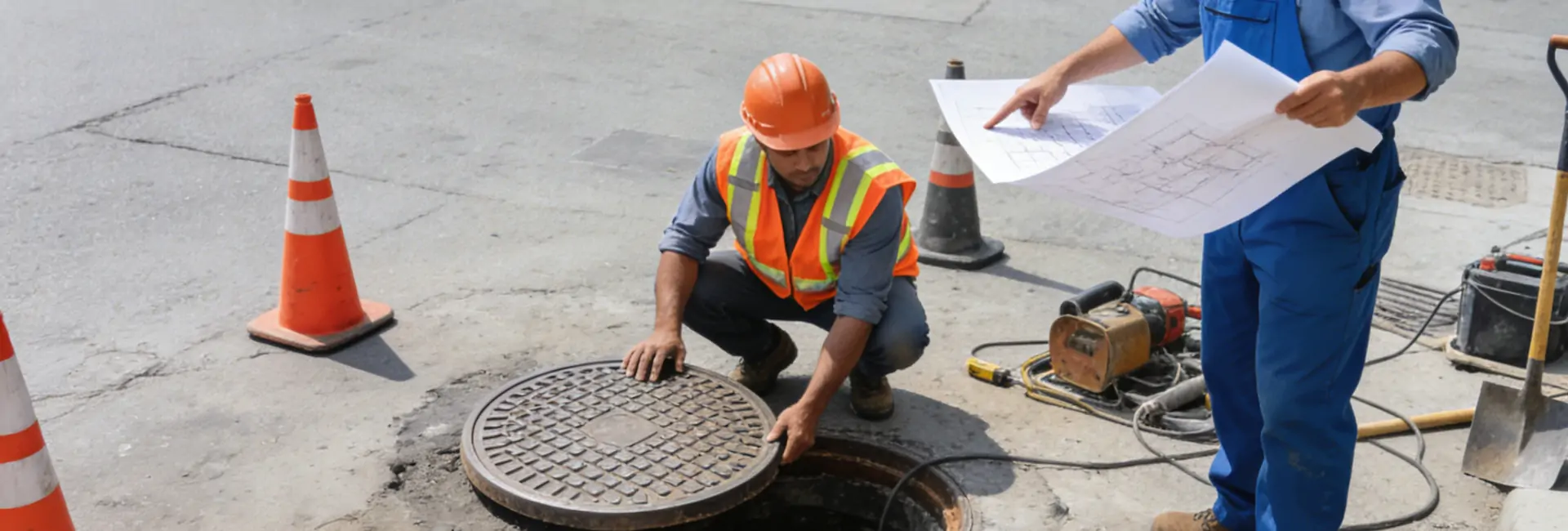
Imagine walking through a busy city street, the world buzzing around you, with people in a hurry, cars zooming by, and life moving at a relentless pace. Now, picture the intricate network of tunnels and passages hidden below your feet. It’s a world where safety is paramount, and that safety begins with something as seemingly mundane yet crucial as a manhole cover lifter. These unobtrusive tools ensure that access to our underground infrastructure is both safe and efficient, preventing accidents and ensuring workers can do their jobs without risking injury.
Manhole cover lifters might not be the topic of everyday conversations, but their impact on urban maintenance and safety is monumental. From reducing the risk of back injuries among utility workers to ensuring quick and secure access to underground utilities, these tools are unsung heroes in city management. In this article, we delve deep into the mechanisms and innovations behind manhole cover lifters, uncovering how they have revolutionized safety standards and contributed to the seamless operation of our cities. So, let’s lift the lid on this fascinating subject and discover the buzz-worthy details that keep urban infrastructures running smoothly.
The Importance of Manhole Cover Lifters in Urban Infrastructure
In bustling cities around the globe, underground utilities—from sewage and water mains to telecommunications and power lines—are critical to daily life. Countless access points pepper sidewalks and roadways, each protected by heavy cast-iron or composite manhole covers that can weigh upwards of 100 pounds. Removing these lids without the right tool demands excessive physical force, often resulting in strains, sprains, and long-term musculoskeletal injuries. Enter the manhole cover lifter: a specialized device engineered to provide mechanical advantage, enabling workers to lift, shift, and replace covers with minimal exertion. Recent industry data indicates that implementing these lifters yields a 30% reduction in access time per site, translating into significant labor cost savings and a marked decrease in on-the-job injuries.
Beyond ease of operation, the integration of manhole cover lifters into municipal maintenance fleets underscores broader trends toward worker safety and operational efficiency. By standardizing the tools used across districts, municipalities reduce training time, improve task consistency, and ensure compliance with health and safety regulations. Modern lifter models feature ergonomic handles, adjustable gripping mechanisms, and compatibility with a variety of cover shapes—round, rectangular, slotted, or ventilated. Looking ahead, 3D scanning and RFID integration within lifter designs promise even smarter, more connected maintenance workflows. Ultimately, the humble manhole cover lifter exemplifies how targeted engineering innovations can produce outsized benefits for urban infrastructure, ensuring safer, smoother, and more cost-effective underground access.
Types of Manhole Cover Lifters
Various manhole cover lifter designs cater to distinct operational contexts, from simple manual lifters to advanced hydraulic and magnetic systems. The most common is the manual lever-type lifter, featuring a curved steel hook and handle that provide mechanical advantage through leverage. These tools require minimal training and no power source, making them ideal for quick tasks and remote sites. For heavier or irregularly shaped covers—such as ventilated or slotted lids—magnetic lifters offer a contactless solution. By embedding industrial-grade neodymium magnets within the tool head, operators can engage covers with a firm hold before lifting, reducing slippage and enhancing safety. Magnetic manhole cover lifter variants are especially useful in confined spaces where hooking may prove cumbersome.
On worksites demanding high throughput or handling of exceptionally heavy plates, hydraulic manhole cover lifter models shine. These systems use a compact pump and cylinder assembly to apply lifting force, enabling a single technician to raise covers weighing several hundred pounds effortlessly. Some hydraulic lifters also integrate pneumatic assist for rapid deployment in industrial settings. Tripod-mounted vacuum lifters represent another specialized category, employing suction technology to grip smooth surfaces and lift round or rectangular covers without physical contact. Ultimately, selecting the right manhole cover lifter depends on cover weight, material, site conditions, and crew expertise. By matching tool capabilities to job requirements, municipalities and contractors optimize safety, speed, and cost-effectiveness in their underground maintenance operations.
Safety Benefits Offered by Modern Manhole Cover Lifters
Implementing modern manhole cover lifter solutions dramatically enhances worker safety by mitigating common hazards associated with manual cover removal. Traditional methods—such as prying with crowbars or chains—pose significant risks: sudden cover shifts, pinched fingers, musculoskeletal injuries, and exposure to traffic and pollutants. Engineered lifters incorporate ergonomic design principles, like adjustable handle heights and cushioned grips, which reduce strain on the back, shoulders, and wrists. Some advanced models feature built-in pivot points that require minimal force to disengage covers, virtually eliminating the need for sudden jerks or awkward postures. This ergonomic optimization not only protects field crews but also boosts morale and reduces absenteeism caused by repetitive strain injuries.
Beyond individual well-being, manhole cover lifter tools contribute to broader site safety by expediting access and minimizing exposure to live traffic and hazardous environments. Time-motion analyses reveal that crews using powered lifters can complete removals up to 60% faster than with manual tools, shortening the window during which workers stand in road lanes or precarious trench edges. Many models now incorporate quick-release safety locks, backflow prevention sensors for gas-contaminated tunnels, and integrated lighting mounts for low-visibility conditions. Collectively, these innovations enhance overall risk management, ensuring that essential underground maintenance tasks—such as utility inspections, emergency repairs, and system upgrades—proceed with the highest possible safety margins.
Maintenance and Care Tips for Manhole Cover Lifters
Routine maintenance is vital to preserve the functionality and safety of any manhole cover lifter. After each use, operators should inspect the lifter’s structural components—especially hooks, magnets, hydraulic cylinders, and pivot pins—for signs of wear, corrosion, or deformation. Cleaning off dirt, debris, and any chemical residues prevents abrasive buildup that can compromise the tool’s mechanical integrity. Lubricate moving parts with a high-quality, weather-resistant grease, paying special attention to sliding joints and pivot points. For magnetic lifters, verify that the magnetic surfaces remain free of ferrous contaminants to maintain optimal adherence strength. Document each inspection in a logbook, noting any irregularities and scheduling repairs or part replacements as soon as feasible.
Periodic in-depth servicing extends the lifespan of manhole cover lifters and ensures compliance with safety regulations. For hydraulic units, check fluid levels every month and replace hydraulic oil according to the manufacturer’s recommended intervals. Inspect hoses and seals for leaks and cracks, and replace them immediately if damage is detected. Tighten all fasteners to the specified torque settings, and recalibrate pressure relief valves to the correct operational thresholds. If the lifter features interchangeable heads or attachments, rotate their usage to distribute wear evenly. Conduct load tests annually or after heavy-duty operations to confirm that lifting capacity remains within tolerance. By integrating these care tips into standard operating procedures, utility managers not only safeguard their investment but also uphold the highest standards of urban infrastructure maintenance.
Environmental Impact of Manhole Cover Lifters
While manhole cover lifters primarily focus on safety and efficiency, their environmental footprint merits attention as well. Manual and magnetic lifters inherently generate minimal emissions, relying on physical force or permanent magnets rather than fuels or electricity. This low-energy design aligns with sustainability goals, especially for municipalities aiming to reduce greenhouse gas output. Conversely, hydraulic and pneumatic lifters require energy input—typically from a small electric motor or air compressor—but modern systems are engineered for high energy efficiency and reduced leakage. By selecting lifters with energy-efficient pumps and eco-friendly hydraulic fluids, organizations can mitigate potential environmental concerns without sacrificing performance.
Moreover, the adoption of durable, corrosion-resistant materials—such as stainless steel alloys and UV-stabilized polymers—in lifter construction reduces the need for frequent replacements and the associated waste stream. Some manufacturers have introduced end-of-life recycling programs, enabling users to return worn components for responsible disposal or remanufacturing. When integrated into broader asset management strategies, these practices contribute to circular economy principles, minimizing resource consumption and landfill contributions. Additionally, faster and safer cover removals facilitated by effective lifters help prevent accidental spills or leakage of underground contaminants, indirectly protecting local ecosystems and public health. Overall, conscious selection and use of manhole cover lifters can form an integral part of sustainable urban maintenance programs.
Conclusion: The Crucial Role of Manhole Cover Lifters in Urban Safety
In summary, the unassuming manhole cover lifter plays a pivotal role in urban infrastructure, blending safety, efficiency, and environmental stewardship. By reducing physical strain, expediting underground access, and supporting sustainable practices, these tools uphold the unseen backbone of city life.
Regular maintenance, proper tool selection, and awareness of environmental impacts ensure that lifters remain reliable assets. As technology advances, continued innovation will further strengthen the connection between worker well-being and infrastructure resilience.
Ultimately, prioritizing high-quality manhole cover lifters equips municipalities and contractors to tackle underground challenges confidently, keeping cities running smoothly and safely for all.




 English
 Español
 Русский