

Landscaping is no longer just about aesthetics; it’s a strategic blend of beauty and functionality. As urban areas expand and the effects of climate change become more pronounced, effective water management is critical for maintaining sustainable landscapes. Enter drainage channel systems—these unsung heroes are revolutionizing how we design outdoor spaces by preventing erosion, managing stormwater runoff, and enhancing structural integrity. But their potential extends far beyond just utilitarian purposes.
Imagine a serene public park that not only stays lush and vibrant during heavy rains but also becomes a community haven with cleverly concealed drainage channel systems integrated into its design. From urban plazas to private gardens, these systems can transform ordinary landscapes into extraordinary spaces, blending seamlessly with the environment. This blog post delves into how innovative uses of drainage channels are shaping the future of landscape design, offering creative solutions to age-old problems while preserving the natural beauty of our surroundings.

Incorporating Drainage Channels in Urban Plaza Designs
Urban plazas are gathering spots where aesthetics, safety, and durability must align. Incorporating a well-planned Drainage Channel system into these public spaces ensures that rainwater is swiftly and efficiently removed, preventing puddles and slippery surfaces. Thoughtful placement of linear channels along walkways, seating areas, and planter edges can protect paving materials from water damage, reduce maintenance costs, and minimize trip hazards. Moreover, modern channel grates come in a variety of finishes—stainless steel, cast iron, and decorative polymer—that can complement architectural themes rather than detract from them.
Beyond functionality, designers can turn these utility elements into visual features. For example, recessed drainage channels can follow geometric patterns or radial designs radiating from a central focal point, such as a fountain or art installation. Colored or patterned grates can become part of the plaza’s branding, while integrated lighting within the channel system highlights nighttime aesthetics and safety. When combined with permeable paving or bioswale strips, drainage channels create a holistic water-management strategy that keeps urban plazas welcoming and resilient, even during heavy downpours.
Enhancing Structural Integrity Through Innovative Drainage Solutions
Proper structural support goes hand in hand with effective water management. Water infiltration can undermine foundations, erode soil, and cause freeze-thaw damage, leading to costly repairs. Installing a network of subsurface and surface Drainage Channel components around buildings, retaining walls, and paved areas mitigates these risks. By intercepting runoff at the surface and directing it away from vulnerable structures, these channels help maintain soil stability and prevent hydrostatic pressure buildup behind walls.
Innovations such as self-cleaning channels and integrated sediment traps further boost system reliability. Self-cleaning designs use sloped channel bases or vortex flow principles to minimize debris buildup, reducing maintenance frequencies. Sediment traps capture particulate matter before it enters underground piping, ensuring long-term performance and preventing clog-induced backups. Pairing these drainage channels with waterproof membranes and geotextile filters creates a multilayer defense against moisture intrusion. The result is a robust landscape infrastructure that safeguards pathways, terraces, and architectural elements from water-related deterioration.
Sustainable Stormwater Management in Public Parks
As green spaces face increasingly volatile weather patterns, sustainable water handling becomes essential. Public parks, with their large open lawns and hardscape features, can quickly become waterlogged during storms. By integrating linear Drainage Channel networks around playgrounds, sports courts, and picnic zones, park designers can direct excess water toward retention ponds or infiltration beds, reducing surface flooding and promoting groundwater recharge.
Moreover, coupling drainage channels with green infrastructure—such as rain gardens, bioswales, and permeable pathways—creates multifunctional landscapes that treat stormwater on-site. These systems filter pollutants, support native vegetation, and offer educational opportunities about watershed health. Strategically placed channels can also serve as invisible “veins” that feed water into underground cisterns for irrigation reuse during dry spells. This closed-loop approach conserves municipal water, enhances biodiversity, and delivers resilient public parks that remain accessible and vibrant, rain or shine.
Maximizing Space Efficiency with Subsurface Drainage Systems
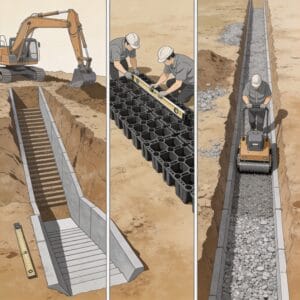
In densely built environments where every square foot counts, subsurface Drainage Channel options offer a discreet yet powerful solution. Instead of wide surface trenches, narrow modular channels installed flush with lawn edges, planter beds, or beneath decking preserve usable space while performing essential water conveyance. These low-profile systems can be placed directly under turf or pavers, leaving the landscape uninterrupted by visible infrastructure.
Advanced subsurface channels feature interlocking components that adjust to site contours, enabling rapid installation around curved pathways or irregular property lines. Their high flow capacity handles heavy storm bursts, while shallow profiles mean minimal excavation—reducing installation time and costs. When combined with perforated piping and stone-filled trenches, these channels create subsurface networks that collect and redirect runoff to storm sewers or infiltration galleries. The result is a clean, open landscape where functionality is hidden beneath the surface, maximizing recreational, aesthetic, and horticultural potential.
Conclusion: Elevating Landscapes Through Innovative Drainage Solutions
As we reimagine outdoor environments for resilience and beauty, Drainage Channel systems emerge as indispensable design tools. Whether enhancing plazas, safeguarding structures, managing stormwater in parks, or preserving precious space, these solutions blend seamlessly into modern landscapes.
By embracing innovative channel designs and sustainable water strategies, landscape professionals can elevate functionality without sacrificing aesthetics, creating vibrant spaces that thrive under all conditions.




 English
 Español
 Русский