

Essential Guide to Choosing the Right Floor Drain Grate
You probably walk over it every day without a second thought, but what happens if a dropped wedding ring bounces toward that dark hole in the basement? Your floor drain grate is essentially a security guard for your pipes. According to common plumbing experience, this unsung hero acts as a crucial protective filter for your entire home.
While a cupped strainer catches food in a sink, a flat drain cover sits flush to block large debris while safely handling heavy foot traffic. A loose or rusted sewer cover plate is more than just a dangerous trip hazard waiting to stub a toe. In practice, a $15 replacement is a cheap insurance policy against a $500 plumbing bill caused by massive down-line clogs.

Getting this simple repair right doesn’t require any specialized skills. By using a straightforward “Measure-Material-Match” framework, you can easily swap that failing metal for a perfectly sized upgrade in under five minutes.
The Measure-Twice Blueprint: Finding Your Perfect Grate Size Without the Guesswork
You might assume a standard 4-inch floor drain cover will automatically fit your shower, but plumbing labels are notoriously tricky. What manufacturers call a “four-inch” drain usually refers to the hidden pipe below—known as Iron Pipe Size, or IPS—not the actual physical metal plate. Relying solely on that label could easily leave you holding a 5.5-inch floor drain cover that refuses to sit flat. Figuring out exactly how to measure drain diameter accurately is the cheapest insurance against a frustrating return trip.
Before shopping, grab your tape measure and follow this simple three-step checklist:
- Total Diameter: Measure straight across the widest part of your old grate.
- Center-to-Center Distance: Picture the drain like a clock. Measure directly from the middle of the “12 o’clock” screw to the middle of the “6 o’clock” screw.
- Recessed Rim Depth: Measure how far the mounting ledge sits below the surrounding floor.
That final measurement is the secret to avoiding a painful stubbed toe. The recessed rim dictates how flush the plate sits; buy a replacement thicker than that ledge, and it becomes a dangerous little speed bump in your bathroom. With your dimensions perfectly locked in, you just need to pick the right finish.
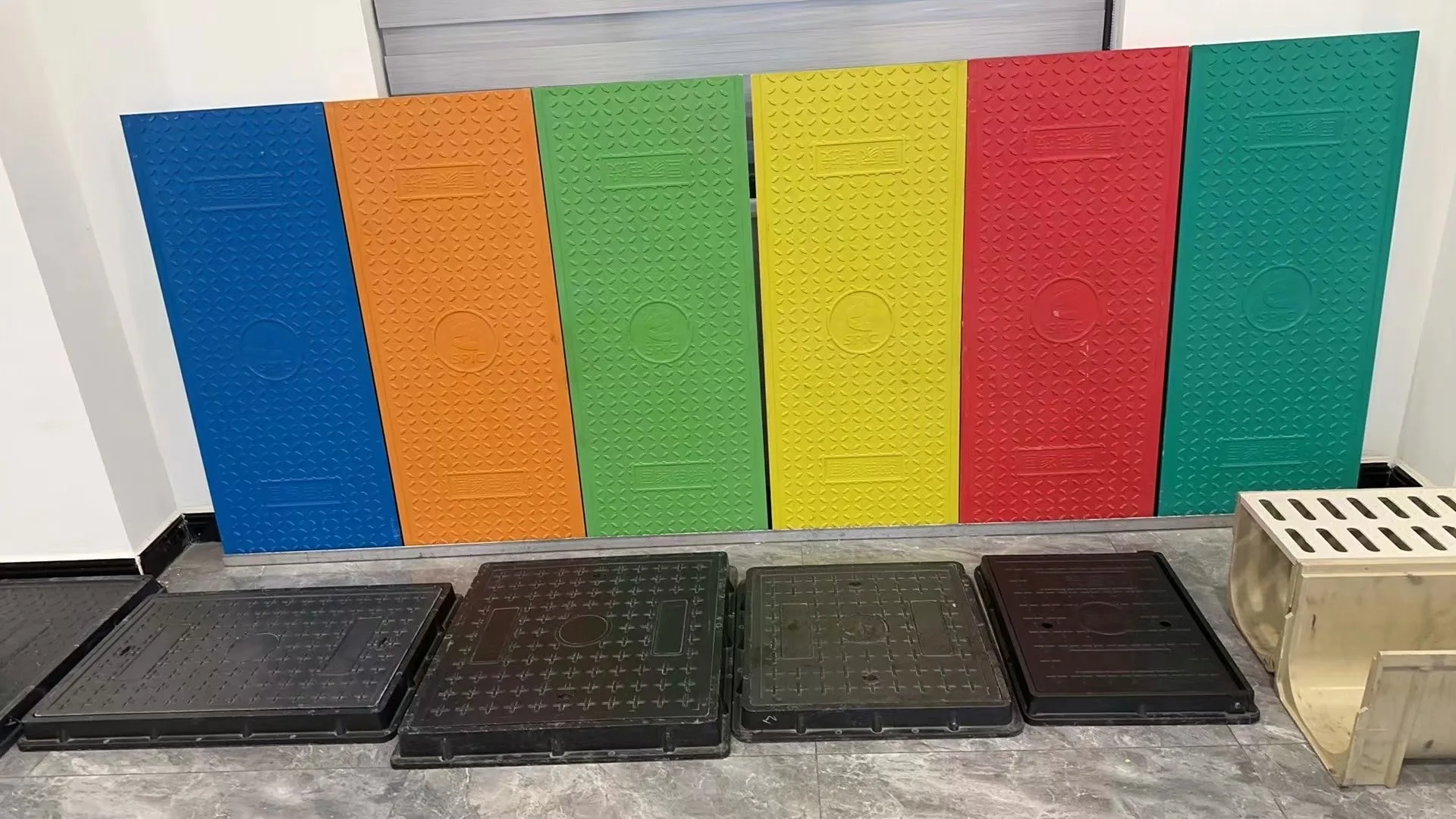
Plastic, Brass, or Steel? Choosing a Material That Won’t Rust Away in Six Months
Walking through the hardware store, you might simply grab the shiniest metal drain cover on the shelf to finish your project quickly. Beware the “finish” trap, because that beautiful gold-tone plate could just be cheap plated steel destined to rust into a flaky brown mess within six months. Solid brass naturally resists corrosion, making it the perfect choice to keep its premium look indefinitely in a high-end guest bathroom.
Constant moisture demands a completely different defense strategy for your everyday shower or humid basement. A genuine stainless steel floor drain cover acts as a rust-proof security guard for your plumbing, shrugging off daily soapy puddles without oxidizing. Spending a few extra dollars upfront secures a material that simply refuses to degrade under the stress of continuous wet feet.
Moving out to the garage changes the rules entirely, requiring both load-bearing strength and chemical resistance. While a heavy cast iron drain cover easily survives the weight of an SUV tire, it will eventually rust when winter road salt melts off your bumper. Surprisingly, a thick PVC plastic drain cover is often the secret winner in these salty environments because it can never rust while still safely supporting typical household foot traffic.
Matching the exact material to its specific environment ensures your replacement is a permanent fix rather than a frustrating yearly chore.
Driveway and Yard Drainage: Preventing Floods with Heavy-Duty Covers
Stepping outside your front door introduces a completely different plumbing battlefield. You already know that moving rainwater away from your foundation is crucial, but an outdoor drain grate cover faces much tougher enemies than just soap and water. Out here, you are fighting a constant war against heavy vehicles, drifting mulch, and autumn leaves.
Look closely at the hole pattern on a standard channel drain cover. This spacing is known as the “open area percentage.” You want a trench drain pattern with slots wide enough to swallow a heavy summer downpour, but with a tight enough mesh to stop wet oak leaves from causing a massive underground pipe clog.

Weight becomes the ultimate test for these exterior guards, especially if a delivery truck accidentally backs over your driveway manhole cover. To avoid hearing a costly metallic crunch under a tire, always check the manufacturer’s load rating before buying:
- Class A (Pedestrian): Safe for walking paths, sidewalks, and backyard patios.
- Class B (Residential Driveway): Built to safely support typical family cars and light trucks.
- Class C (Heavy Commercial): Designed for extreme weight, like delivery vans or commercial traffic.
A properly rated Class B driveway drainage grate ensures your system survives both flash floods and rolling tires without buckling.
From Odors to Hair Clogs: Upgrading Your Bathroom and Basement Grates
Stepping indoors, you might notice a mysterious, foul odor lingering downstairs. That unpleasant scent often means your floor drain isn’t guarding your pipes correctly. Underneath your basement sewer drain cover sits a curved pipe called a P-trap, holding a small pool of water to block rising gases. A tightly fitted cover reduces airflow and evaporation in that trap, actively preventing sewer gas smell from ruining your finished living space.
Moving upstairs, the plumbing enemy shifts from invisible gases to stubborn hair. Instead of pouring harsh chemicals down your pipes every few months, you can stop blockages early. Modern clog-resistant shower drain inserts feature a built-in basket design that intercepts debris right at the surface. By trapping soap scum and tangles, a removable hair catcher mesh acts as your first line of defense, keeping internal plumbing entirely clear and avoiding expensive plumber visits.
Maintaining these practical upgrades requires easy access, which makes choosing the right fastening style crucial. A “snap-in” cover pops out instantly with a simple flathead screwdriver for quick weekly cleaning, while a “screw-down” model offers maximum security beneath slipping wet feet.
Snap, Screw, or Set: Installing Your New Cover in Under 10 Minutes
Before replacing rusted drain covers, you should protect your plumbing. Lay a small cloth flat underneath the grate the second you loosen it. This simple “Towel Trick” acts as a safety net, guaranteeing a dropped screw doesn’t vanish down the pipe and turn a quick home fix into a plumbing disaster.
Old hardware often means battling seized fasteners that refuse to budge. Instead of forcing and stripping them, use a stubborn screw toolkit: penetrating oil (like WD-40), needle-nose pliers, and a manual screwdriver. Once removed, your approach depends on the hardware. Snap-in grates simply need a firm press until they click into place. For screw-down models, carefully align the new pilot holes with the threaded slots in the drain body before inserting hardware.
Fastening everything properly ensures your new grate won’t rattle underfoot. Once you cover the drain, hand-tighten any screws just until snug to avoid cracking the flange. With your floor looking fresh and pipes securely protected, you can effortlessly maintain this setup.
The 5-Minute Inspection: Your Long-Term Drain Maintenance Checklist
You no longer have to guess which replacement part to buy. By using the “Measure-Material-Match” method, you can confidently secure the right floor drain with cover for your home. Spending a little extra on durable materials today saves you from cracked plastic and massive plumbing bills tomorrow.
Now that your new drain and cover are installed, keeping them pristine is simple. Establishing a 3-month inspection habit stops clogs before they happen. It also helps you spot red flags—like a suddenly warped grate—which often signals a bigger pipe problem underground. Follow this quarterly maintenance checklist:
- Clear debris: Remove surface buildup like hair or leaves.
- Check screw tightness: Ensure the grate doesn’t rattle or shift.
- Look for rust: Spot early oxidation before the integrity fails.
- Sniff for odors: Ensure the P-trap is functioning correctly.
Commit to this quick routine to protect your property. Your drain grate cover isn’t just a piece of metal anymore—it’s the dependable security guard for your plumbing. Keep it well-maintained, and you can easily prevent minor household annoyances from turning into flooded basement disasters.
Frequently Asked Questions (FAQ)
1. How do I accurately measure my old floor drain grate to ensure I buy the correct replacement size?
Do not rely on the nominal “4-inch” label, which often refers to the pipe size (Iron Pipe Size / IPS), not the cover. Follow this three-step method:
Total Diameter – Measure straight across the widest part of the old grate.
Center-to-Center Distance – Measure from the middle of one screw hole to the middle of the opposite screw hole.
Recessed Rim Depth – Measure how far the mounting ledge sits below the surrounding floor.
A replacement thicker than the recessed rim will create a dangerous trip hazard.
2. What material should I choose for a floor drain grate in a shower or humid basement?
| Material | Best For | Why |
|---|---|---|
| Stainless steel | Showers, humid basements | Rust-proof; resists oxidation from constant moisture and soap |
| Solid brass | High-end guest bathrooms | Naturally corrosion-resistant; maintains premium finish |
| PVC (heavy-duty) | Garages (road salt exposure) | Never rusts; resists chemical damage; safe for foot traffic |
| Cast iron | Outdoor driveways (load-bearing) | Survives vehicle weight, but will rust in wet/salty environments |
Match material to your specific environment – cheap plated steel will rust into a flaky mess within months.
3. Can I use a standard shower grate for an outdoor driveway drain?
No. Outdoor driveway and yard drains require load-rated grates that can withstand vehicle traffic. Check the manufacturer’s rating:
Class A – Pedestrian only (walkways, patios)
Class B – Residential driveways (cars, light trucks)
Class C – Heavy commercial (delivery vans, heavy traffic)
Using a pedestrian-only grate in a driveway will result in cracking or shattering under a vehicle’s weight.
4. How do I prevent sewer gas smells from coming up through my basement floor drain?
A floor drain relies on a P-trap (curved pipe) holding a small pool of water to block sewer gases. A tightly fitted cover reduces airflow and evaporation, helping maintain the water seal. If you still smell odors:
Pour a gallon of water down the drain to refill a dry P-trap
Check that the grate is properly seated with no gaps
For persistent issues, install a drain seal (mechanical flapper valve) that allows water out but blocks gas backflow
5. How do I stop hair clogs without using harsh chemicals?
Install a removable hair catcher mesh or sediment basket designed for shower drains. These inserts intercept hair and soap scum at the surface. Clean the basket weekly by lifting it out, wiping away debris, and reinserting. This prevents clogs deep in the pipes, eliminates the need for chemical drain cleaners, and avoids expensive plumber visits.
6. How do I replace a rusted or stuck floor drain grate without damaging the drain body?
Follow the “Towel Trick” and use penetrating oil:
Lay a small cloth flat underneath the grate – this catches dropped screws so they don’t fall into the pipe
Apply penetrating oil (e.g., WD-40) to seized screws and wait 5 minutes
Use a manual screwdriver (not a power drill) to avoid stripping the head
For snap-in grates, press firmly until you hear a click
For screw-down models, align pilot holes carefully and hand-tighten until snug (do not over-tighten, which can crack the flange)
Quarterly maintenance checklist:
Clear debris (hair, leaves) from the grate surface
Check screw tightness – no rattling or shifting
Inspect for early rust or corrosion
Sniff for odors – ensure P-trap is functioning




 English
 Español
 Русский