
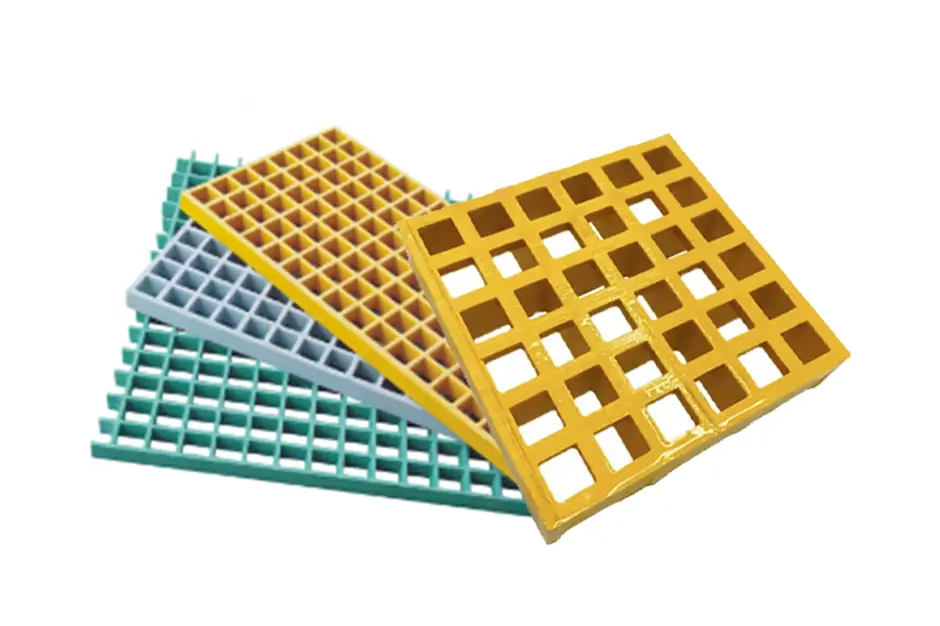
Imagine a walk across a bridge that’s not only strong and durable but also lightweight and resistant to the harshest elements nature throws its way. You might picture steel or reinforced concrete, but surprisingly, this marvel could be thanks to FRP grating. Fiberglass Reinforced Plastic grating systems have revolutionized modern engineering with their unique composition and impressive capabilities. For industries ranging from oil and gas to water treatment, these systems are redefining safety and efficiency standards in ways we once only imagined possible.
But what makes FRP grating stand out in the world of construction materials? Is it just another fleeting trend, or is there something more substantial at play? By exploring its unique strengths, such as corrosion resistance, high strength-to-weight ratio, and versatility in application, we uncover why it’s becoming the material of choice for engineers and architects globally. Dive into this exploration of how FRP grating systems are not only changing the landscape of modern construction but are also setting new benchmarks for material performance and sustainability.

Corrosion Resistance of FRP Grating Systems
When it comes to harsh environments—particularly those involving chemicals, saltwater spray, or constant moisture—traditional metals like steel or aluminum often succumb to corrosion, rust, and deterioration. By contrast, FRP grating systems deliver exceptional resistance to a wide range of corrosive agents. The fiberglass resin matrix encapsulates glass fibers so effectively that it prevents water absorption and shields the reinforcing elements from chemical attack. This inherent corrosion resistance translates into extended service life, reduced maintenance cycles, and lower replacement costs for industrial platforms, walkways, and marine structures.
Moreover, FRP grating’s unique chemistry allows engineers to tailor resin formulations to specific environmental challenges. For applications in chemical processing plants, vinyl ester resins can be used to withstand aggressive acids and solvents. In coastal or offshore installations, polyester or isophthalic resins offer superior performance against salt spray and humidity. The result is a versatile grating system that doesn’t just resist corrosion—it thrives where steel would quickly degrade. Safety is also enhanced, as the surface remains free from flaking rust or pitting, reducing slip hazards and ensuring structural integrity over time.
High Strength-to-Weight Ratio of FRP Grating
The balance between load-bearing capacity and material weight is a critical design consideration in construction and infrastructure projects. FRP grating shines in this domain, offering a strength-to-weight ratio that outperforms many conventional alternatives. A typical FRP grating panel weighs only about one-quarter to one-third as much as its steel counterpart while providing comparable or even superior load-bearing capabilities. This lightweight nature simplifies handling, transportation, and installation, reducing labor costs and project timelines.
In addition to ease of installation, the high strength-to-weight ratio of FRP grating contributes directly to structural efficiency. Support beams, brackets, and framing components can be downsized without compromising safety or functionality. This not only reduces the overall material footprint but also minimizes foundation loads and associated costs. In seismic regions or elevated platforms, every kilogram counts—FRP grating’s optimized performance ensures engineers can meet stringent safety standards while maintaining a lean, efficient design. The end result is a safer, more economical infrastructure that doesn’t sacrifice robustness for lightness.
Versatility in Applications of FRP Grating
One of the most compelling advantages of FRP grating is its adaptability across a wide array of sectors. From industrial flooring and mezzanine platforms to marine docks and chemical processing facilities, FRP grating delivers dependable performance under diverse conditions. Its customizable dimensions, patterns, and load ratings mean that every project can benefit from a tailor-made solution rather than a one-size-fits-all product. This versatility makes it an attractive option for designers seeking both functionality and aesthetic appeal.
Beyond structural flooring and walkways, FRP grating finds use in filtration systems, trench covers, safety barriers, and even architectural facades. In wastewater treatment plants, for example, open-mesh grating allows light penetration and airflow, optimizing inspection and maintenance tasks. In offshore oil rigs, non-conductive FRP grating enhances electrical safety while withstanding splash zones and heavy equipment traffic. Even pedestrian bridges and rooftop walkways have adopted FRP grating for its corrosion resistance and lightweight benefits. No matter the environment—industrial, marine, or public infrastructure—this material offers a reliable, versatile solution.
Environmental Sustainability of FRP Grating Systems
As global attention pivots toward greener building practices, material selection plays a pivotal role in reducing environmental footprints. FRP grating offers sustainability advantages that resonate with modern eco-conscious standards. First, its exceptional durability and long service life mean fewer replacements and less material waste over decades of use. The extended maintenance intervals also translate into reduced use of paints, coatings, and repair chemicals, further minimizing environmental impact.
Second, the production process for FRP grating can incorporate recycled and bio-based resins, reducing reliance on virgin petrochemicals. Lightweight panels require less energy for transportation, cutting down on carbon emissions during shipping. At the end of its service life, FRP grating can be repurposed or energy-recovered through waste-to-energy processes, whereas metals often require energy-intensive smelting. Taken together, these factors position FRP grating as a forward-thinking material choice that aligns with sustainable development goals in construction and infrastructure projects.
Cost-Efficiency of FRP Grating Systems
While the initial purchase price of FRP grating may exceed that of plain carbon steel, a life-cycle cost analysis reveals significant long-term savings. The elimination of frequent repainting, rust repairs, and component replacements translates into lower operating expenses over the system’s lifespan. Industries operating in remote or offshore environments particularly benefit from reduced maintenance visits and the associated logistical costs.
Installation efficiency also adds to FRP grating’s economic appeal. The lightweight panels require fewer personnel and less heavy equipment, slashing installation timelines and labor expenses. Furthermore, minimized structural support needs can lower foundation and support frame costs. When factoring in durability, reduced downtime, and lower maintenance, the total cost of ownership of FRP grating systems often undercuts that of traditional materials, making it a smart investment for budget-conscious infrastructure planners.
Conclusion: The Future Role of FRP Grating Systems in Construction
FRP grating systems combine corrosion resistance, exceptional strength-to-weight ratios, versatility, sustainability, and cost-efficiency in ways that few traditional materials can match. As construction and infrastructure sectors strive for higher performance and lower environmental impact, these composite gratings are poised to play an increasingly vital role.
By embracing FRP grating, engineers and architects can deliver safer, more durable, and eco-friendly structures that meet the demands of tomorrow’s projects. The material’s proven benefits suggest that its adoption will only accelerate, reshaping the standards of modern building and industrial design.



 English
 Español
 Русский