The History and Design of Manhole Covers

The history of manhole covers can be traced back to ancient times when civilizations first began to develop underground water channels and sewage systems. Early examples were rudimentary, often constructed from stone or wood. These covers served a dual purpose: they protected the underground systems from debris and provided a safe surface for pedestrians and vehicles. As societies advanced, so did the complexity of their infrastructure, necessitating improvements in the materials and designs of manhole covers to cope with increased demands.
Evolution Through the Ages
The Industrial Revolution marked a significant turning point in the design and production of manhole covers. The increased demand for robust urban infrastructure led to the widespread use of cast iron, a material known for its durability and strength. Cast iron manhole covers became the standard, with foundries like Neenah Foundry playing a pivotal role in their mass production. As urban areas continued to expand, the designs of manhole covers evolved to accommodate new technological advancements and urban planning requirements, leading to the development of standardized sizes and load-bearing specifications.
Advancements in material science have further influenced the evolution of manhole covers. The introduction of materials such as ductile iron and reinforced concrete has expanded the possibilities for manhole cover design, offering alternatives that balance cost, weight, and durability. These innovations have allowed for more specialized applications, such as covers that can withstand extreme weather conditions or those that integrate with modern urban aesthetics. As cities continue to grow and change, the evolution of manhole covers remains an ongoing process, reflecting broader trends in engineering and materials technology.
Design Considerations
Why Are Manhole Covers Round?
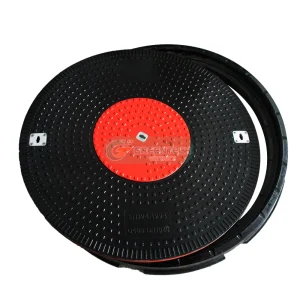
One of the most frequently asked questions about manhole covers is why they are predominantly round. The round shape is not a mere aesthetic choice; it serves several practical purposes. A round cover cannot fall through its circular opening, ensuring safety. Additionally, the round design allows for easy maneuverability and alignment during installation and removal. This shape also distributes weight evenly, reducing stress on the cover and enhancing its longevity.
The engineering logic behind the round design extends beyond mere functionality. Round covers require less precision when aligning with the manhole opening, which simplifies the manufacturing process and reduces costs. Furthermore, the circular form is inherently strong, able to withstand substantial weight from vehicles without cracking or warping. This combination of practicality and durability makes the round manhole cover a timeless solution in urban design.
Rectangular and Other Shapes
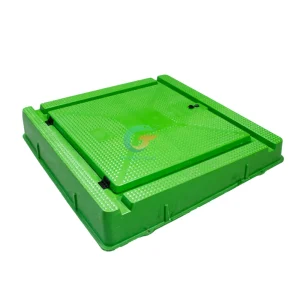
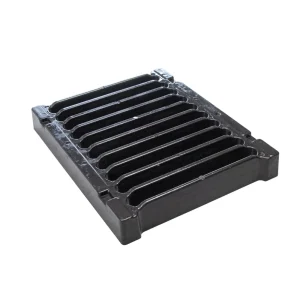
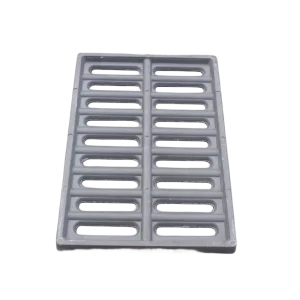
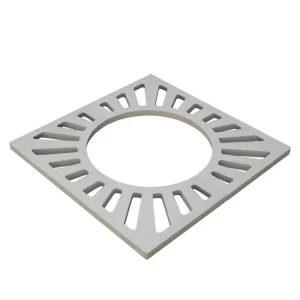
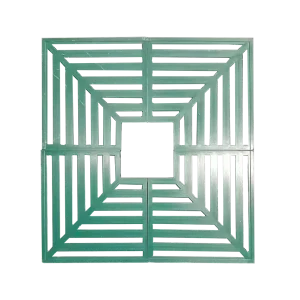
Despite the prevalence of round manhole covers, there are instances where alternative shapes such as rectangular, square, or even custom designs are employed. Rectangular manhole covers are often used when the underlying access point is not circular, or when aesthetic considerations dictate a different shape. These covers may be found in specific locations where utility access requires a non-standard approach, such as alongside curbs or in areas with unique architectural demands.
Custom-shaped manhole covers can also serve symbolic or cultural purposes. In some areas, these covers are designed to reflect local heritage or commemorate significant events. This trend has seen an increase in cities that aim to use public infrastructure as a canvas for artistic expression, enhancing the city’s identity and community engagement. These unique designs demonstrate how manhole covers can transcend their functional role to become part of a city’s cultural and aesthetic landscape.
Material Choices: From Cast Iron to Modern Composites
Traditionally, cast iron has been the material of choice for manhole covers due to its excellent load-bearing capabilities and longevity. However, advancements in material science have introduced alternatives like ductile iron, plastic, and composite materials. Each material offers distinct advantages, such as reduced weight, enhanced corrosion resistance, or cost-effectiveness. Ductile iron, for instance, combines the strength of cast iron with increased flexibility, making it less prone to cracking under pressure.
Modern composites represent a significant leap forward in manhole cover technology. These materials are not only lightweight, which reduces handling and transportation costs, but also offer superior resistance to corrosion and environmental wear. Additionally, composite covers can be manufactured with integrated features such as anti-slip surfaces or custom logos, providing both functional and aesthetic benefits. As urban areas seek to adopt more sustainable and efficient materials, the use of composites is likely to grow, offering new opportunities for innovation in manhole cover design.
Dimensional and Load Considerations
The dimensions and weight of manhole covers vary significantly depending on their intended application. Standard sizes range from small, 4-inch covers used in residential settings to large, 36-inch covers for industrial applications. The load-bearing capacity is another critical factor, with covers designed to withstand anything from pedestrian traffic to heavy vehicular loads. Engineers must carefully consider the specific requirements of each location to ensure that the manhole covers can safely support the expected weight.
In addition to standard specifications, custom dimensions may be required for unique applications or infrastructural challenges. These bespoke solutions often involve collaboration between municipalities, engineers, and manufacturers to create covers that meet specific safety and performance criteria. This process underscores the complexity and importance of manhole covers in urban planning, as they must be tailored to fit seamlessly into the broader infrastructure while meeting rigorous safety and durability standards.
The Role of Manhole Covers in Urban Infrastructure
Manhole covers are not merely functional items; they play a critical role in urban infrastructure. They provide access to utilities such as water, sewage, and electrical systems, allowing for maintenance and inspection. The design of a manhole cover must accommodate these utilities while ensuring safety and reliability. As urban infrastructure becomes more complex, the importance of well-designed manhole covers in facilitating efficient and safe access to underground systems cannot be overstated.
Security and Safety Features
Modern manhole covers often include features such as locking mechanisms to prevent unauthorized access and theft. Innovations like double-sealed and watertight designs enhance safety and prevent environmental contamination. These security features are crucial in protecting sensitive infrastructure from tampering or damage, particularly in high-traffic urban areas where the risk of vandalism or accidental damage is higher.
In addition to physical security features, some manhole covers now incorporate technology to monitor and manage access. Smart covers equipped with sensors can provide real-time data on environmental conditions, helping to identify potential issues before they escalate. This integration of technology not only improves safety but also enhances the efficiency of maintenance operations, allowing for more proactive and informed decision-making.
Aesthetic and Cultural Significance
In some cities, manhole covers are considered canvases for artistic expression. Custom designs can reflect local culture, history, or commemorate significant events. These artistic manhole covers not only enhance the visual appeal of urban landscapes but also foster a sense of community pride. By transforming ordinary infrastructure into public art, cities can create unique and engaging environments that resonate with residents and visitors alike.
Moreover, artistic manhole covers can serve as wayfinding tools or cultural markers, guiding pedestrians through different neighborhoods or highlighting historical sites. This approach has been embraced by cities around the world, from Tokyo’s colorful and intricate designs to New York’s commemorative covers celebrating important city milestones. By investing in these creative expressions, municipalities can strengthen community identity and celebrate the cultural diversity that defines urban life.
The Economic Aspects of Manhole Covers
The production and maintenance of manhole covers represent a significant economic consideration for municipalities. Factors such as material costs, manufacturing processes, and labor contribute to the overall expense. Additionally, the cost of replacing damaged or outdated covers can be substantial. Effective procurement and maintenance strategies are essential for managing these costs and ensuring the longevity of urban infrastructure.
Cost and Procurement
The cost of a manhole cover can vary widely, influenced by material choice, size, and design complexity. Municipalities often procure these covers through competitive bidding processes, seeking cost-effective solutions that meet their specific requirements. This procurement process requires careful consideration of both initial costs and long-term value, as the cheapest option may not always provide the best durability or performance.
In addition to direct costs, municipalities must also consider the logistical aspects of procurement, such as transportation and installation. These factors can significantly impact the overall budget, particularly for large-scale projects or those involving custom designs. By leveraging economies of scale and strategic partnerships with manufacturers, cities can optimize their procurement processes, balancing cost, quality, and efficiency to achieve the best outcomes for their infrastructure investments.
Innovations in Manufacturing
Recent advances in manufacturing techniques, such as the use of automated casting and digital design processes, have streamlined the production of manhole covers. These innovations have led to cost reductions and improved quality control. Automation reduces human error and accelerates production timelines, while digital design allows for precise customization and rapid prototyping.
Moreover, new manufacturing methods are enabling the production of more sustainable and environmentally friendly manhole covers. Techniques such as additive manufacturing (3D printing) offer the potential for reducing waste and energy consumption, aligning with broader sustainability goals. As these technologies continue to evolve, they promise to revolutionize the production of manhole covers, offering new possibilities for innovation and efficiency in urban infrastructure.
Future Trends and Developments
As urban areas continue to grow and technology advances, the design and function of manhole covers are likely to evolve. Future trends may include the integration of smart technology, such as sensors for monitoring underground conditions or IoT connectivity for real-time data collection. These advancements will enhance the functionality of manhole covers, transforming them from static infrastructure elements into dynamic components of smart city ecosystems.
Environmental Considerations
Sustainability is becoming an increasingly important factor in manhole cover design. The use of recyclable materials and eco-friendly manufacturing processes is gaining traction, reflecting broader environmental concerns within urban planning. By adopting sustainable practices, municipalities can reduce their environmental footprint and contribute to global efforts to combat climate change.
Additionally, the integration of green technologies, such as permeable materials that allow for water infiltration, can help mitigate urban flooding and improve stormwater management. As cities face growing environmental challenges, the development of eco-friendly manhole covers will play a crucial role in creating resilient and sustainable urban environments.
Customization and Personalization
The demand for customized manhole covers is expected to rise, driven by both aesthetic preferences and functional needs. As manufacturing technology advances, it will become easier and more cost-effective to produce bespoke designs that cater to specific community or infrastructural requirements. This trend reflects a broader shift towards personalization in urban design, where infrastructure is tailored to meet the unique characteristics and needs of each city.
Customization also offers opportunities for community engagement, allowing residents to participate in the design process and contribute to the visual identity of their neighborhoods. By embracing personalized manhole covers, cities can create distinctive urban landscapes that celebrate local heritage and innovation while enhancing the functionality and appeal of their infrastructure.
Conclusion
Manhole covers, while often overlooked, play a vital role in maintaining the safety and efficiency of urban infrastructure. From their historical roots to modern innovations, these covers encapsulate a fascinating intersection of engineering, art, and practicality. As we look to the future, the continued evolution of manhole covers promises to address the growing demands of urbanization while embracing new technologies and sustainable practices. Their enduring presence beneath our feet is a testament to their indispensability in the fabric of city life. By appreciating the complexity and significance of manhole covers, we gain a greater understanding of the intricate systems that underpin our urban environments and the ongoing efforts to improve and adapt them to meet future challenges.