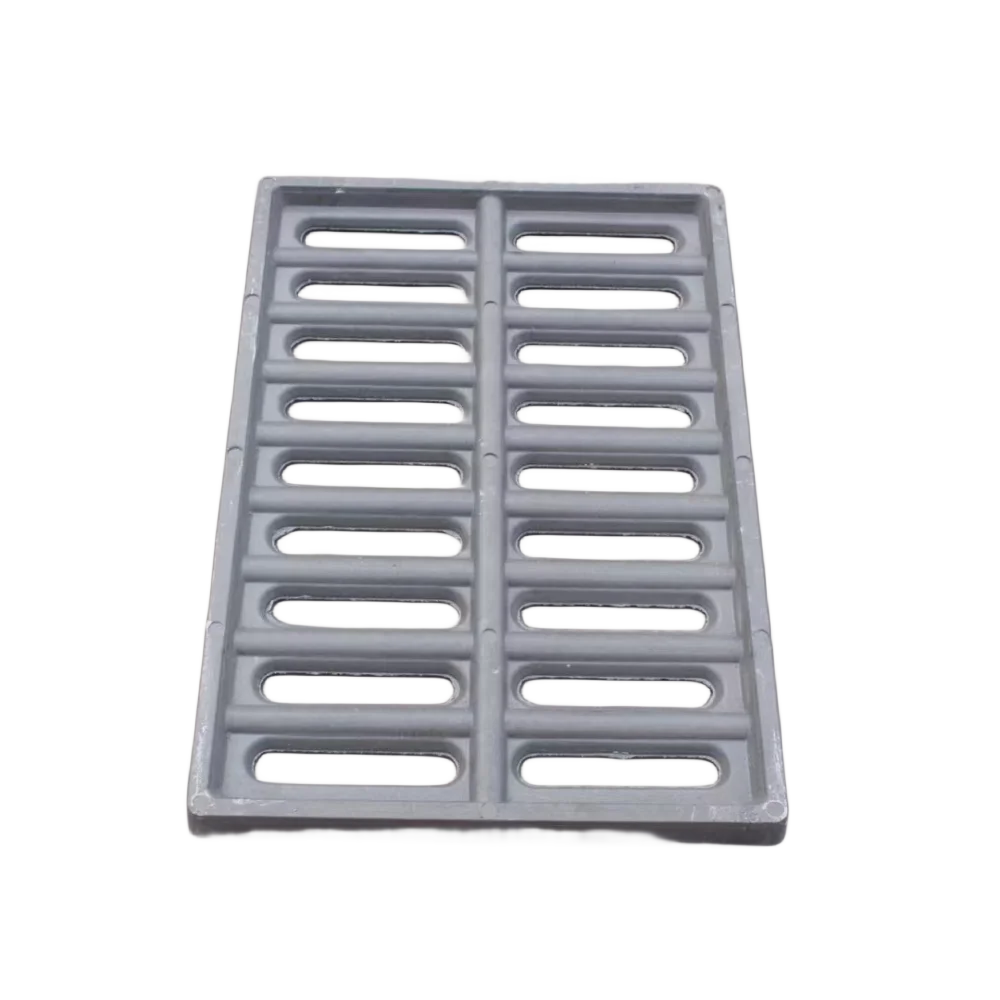
Benefits of Installing Gutter Grating Systems
We’ve all seen a heavy rainstorm turn an everyday driveway into a miniature lake. Usually, the culprit isn’t the severe weather itself—it’s a missing or poorly functioning yard drainage grate. Think of this fixture like a heavy-duty kitchen colander for your property. Just as a colander lets boiling water drain while keeping the pasta safe, a functional grate guides rainwater into your underground trenches while blocking the messy twigs and leaves that cause major backups.
According to structural engineers, pooling perimeter water is the leading cause of cracked foundations. Common surface debris acts as your system’s biggest enemy by creating dams that force destructive moisture directly against your home’s concrete base. Upgrading your gutter grating serves as your absolute first line of defense, protecting your walls and fixing standing water in garage entrances.
Capturing that runoff effectively relies on a principle called “Open Area capacity.” Imagine a crowded theater trying to empty through one single exit door; the crowd instantly bottlenecks. Stormwater behaves identically during a sudden downpour. Selecting a grate with a high Open Area provides a wider doorway, letting water rush underground instantly before it ever threatens your property.

Heel-Proof and Anti-Slip: Why the Right Grate Design Prevents Outdoor Accidents
Upgrading your backyard patio means thinking about more than just keeping puddles away. A beautiful walkway quickly loses its appeal if an improperly sized drain grate becomes a trip hazard. Everyday foot traffic requires a cover that acts as a safe extension of the ground, rather than a trap for toes or shoes.
Have you ever watched someone struggle across grating in dress shoes? To prevent twisted ankles, choose grates with specific gap sizes. For home accessibility, look for ADA compliant walkway drainage slots, which feature openings no wider than a half-inch. This restricted sizing ensures wheelchairs roll smoothly and forms the foundation for heel-proof pedestrian safety inserts, guaranteeing that even the narrowest shoes won’t get wedged inside the gaps.
Evaluating your outdoor spaces for hazards also means checking the physical finish of the grate. When shopping for a safe residential setup, use this quick safety checklist:
- Measure slot width: Ensure the gaps are genuinely narrow enough to block canes or heels.
- Check traction: Opt for anti-slip textured drain surfaces, providing crucial foot grip when heavy rain leaves the ground slick.
- Verify orientation: Run the longest slots perpendicular to the main direction of foot traffic to further reduce tripping risks.
Once you lock down a design that keeps everyone safely on their feet, the next step is making sure it survives the elements. A safe cover isn’t much use if it crumbles after a few harsh winters, making material selection crucial for long-term durability.
Polymer vs. Steel vs. Cast Iron: Which Material Wins the Rust and Durability Battle?
Choosing the right cover means understanding how weather destroys different materials over time. While you likely know that metal generally costs more than plastic up front, the true long-term price depends entirely on your yard’s environment. Plastic eventually breaks down from sun exposure—a process called UV degradation—making it brittle over the years, while unprotected metal fights a constant battle against rust, known as oxidation.
To compare polymer vs steel channel drains for your home, use this “Good, Better, Best” breakdown of typical lifespans and price points:
- Good: PVC drain grating is highly budget-friendly ($10-$25) and ignores rust completely, but typically lasts 5-10 years before sun damage makes it fragile.
- Better: Galvanized steel offers the best materials for rust resistant grates in the mid-price range ($30-$60), reliably lasting 15-20 years before oxidation wins.
- Best: Cast iron trench covers are premium investments ($70+). Although they develop a rusty surface patina, their massive thickness easily survives decades without breaking.
Your local climate should drive your final decision. If you live near the coast where salty moisture accelerates oxidation, a high-quality plastic is a fantastic, long-lasting choice. Conversely, if your patio bakes in intense, direct sunlight all afternoon, metal easily outlasts plastic that might eventually shatter under your own footsteps.
Surviving the weather is just one part of keeping your property safe and dry. A cover that perfectly resists rust will still fail instantly if a heavy delivery van snaps it in half.
Don’t Crack Under Pressure: Choosing Load-Rated Grates for Driveways and Garages
Picture a delivery truck accidentally backing onto your patio grate, accompanied by a loud, expensive snap. While prioritizing rust resistance is a smart first step, practical residential driveway runoff solutions must also survive thousands of pounds of rolling weight. A beautiful trench cover becomes a dangerous hazard instantly if it isn’t built to handle everyday physical pressure.
The secret to preventing this disaster lies in understanding structural weight distribution and checking a product’s “Load Class”—the industry’s official rating for weight capacity. When a vehicle drives over a drain, its mass concentrates intensely into small contact points rather than spreading evenly across the whole surface. For areas only seeing backyard foot traffic or bicycles, a lightweight Class A capacity works perfectly.
Upgrading your driveway means matching your load class ratings for driveway drainage to actual vehicle traffic. Class B covers safely support standard passenger cars pulling into a garage day after day. However, if your property sees regular visits from heavy delivery vans, moving trucks, or RVs, investing in heavy duty load rated storm grates designed for Class C guarantees the material won’t warp or shatter under the immense strain.
A solid foundation is just the beginning. Securing the correct weight capacity guarantees your covers will physically survive for decades without cracking. Yet, an intact grate remains completely useless if water cannot actually flow through its slots.

The Secret to a Maintenance-Free Drain: Preventing Clogs and Debris Buildup
We’ve all been there: water pooling around soggy leaves during a heavy downpour. Knowing how to prevent perimeter drainage clogs saves you from emergency yard work. Modern designs use debris filtration layers—essentially mesh screens beneath the main cover—to catch large leaves. For finer grit, specialized sediment traps act like removable mini-buckets inside the trench, catching heavy mud before it washes away and creates stubborn underground blockages.
Keeping these components clear takes just minutes of seasonal effort rather than hours of costly plumbing. Follow this simple routine for removing debris from outdoor floor drains:
- Sweep surfaces: Clear surrounding driveways of pine needles and mulch before storm season hits.
- Empty traps: Lift the cover twice yearly to scoop out the accumulated dirt from the catch buckets.
- Inspect materials: Check for brittleness, especially with plastic grate drainage, which can slowly weaken and crack under intense sunlight.
Recognizing the difference between a dirty system and a failing one is crucial. While a deep clean fixes most slow drains, warped frames or visible fractures require total replacement.
Your Step-by-Step Blueprint for Installing Surface Water Collection Systems
Tackling a backyard that turns into a swamp after every rainstorm doesn’t require an engineering degree, just a solid plan. When installing surface water collection systems, the secret to success lies in careful preparation. Think of the process like laying down a track for a miniature train; if the foundation is uneven, water simply won’t flow where it belongs.
Any reliable linear drainage channel installation guide emphasizes one golden rule: perfect alignment is non-negotiable. Because you already understand the basics of digging a trench and leveling a gravel base, your main focus is snapping the channel sections together in a perfectly straight line. You want the top edge to sit slightly below the surrounding surface so water naturally pours in without pooling at the borders.
For homeowners who dislike the industrial look of traditional covers, a slot drain design for modern patios offers a nearly invisible alternative. Instead of a broad grid, these systems feature a sleek, narrow opening—barely wide enough to drop a coin into—that swallows heavy runoff while blending seamlessly into high-end paving stones.
Bare feet change the rules completely when you are working near swimming areas. Selecting the right pool gutter grating requires smooth, specialized materials that will not burn toes in the summer sun or create a tripping hazard.

Your 3-Step Plan for Long-Term Drainage Success
You no longer have to stare at a flooded driveway and wonder how to fix it. Armed with an understanding of weight capacities and materials, you can confidently upgrade your property from a swamp to a safe, dry space. Start by matching your specific yard needs to the right material.
Next, inspect different drainage grate options at your local hardware store to feel the quality firsthand. Whether comparing plastic or heavy metal grating, you can now see this hardware differently—not as a boring cover, but as your home’s ultimate defense against water damage.
Frequently Asked Questions (FAQ)
1. What is a gutter grating system and why do I need one?
A gutter grating system consists of a trench or channel with a removable cover (grate) that collects and directs stormwater away from your property. It is essential for:
Preventing flooding – Captures runoff before it pools on driveways, patios, or foundations
Protecting foundations – Redirects water away from concrete bases, preventing cracks and erosion
Debris management – Blocks leaves, twigs, and sediment while allowing water to flow into underground drainage
Safety – Provides a stable, slip-resistant walking surface compared to open trenches
Without proper grating, standing water can damage landscaping, erode soil, and create hazardous icy patches in winter.
2. What is the difference between polymer, galvanized steel, and cast iron grates?
| Material | Lifespan | Cost (per linear foot) | Best For | Limitations |
|---|---|---|---|---|
| PVC/Polymer | 5–10 years | $10–$25 | Budget projects, coastal areas (no rust) | UV degradation; becomes brittle in direct sunlight |
| Galvanized steel | 15–20 years | $30–$60 | Residential driveways, general outdoor use | Eventually rusts; heavier than plastic |
| Cast iron | 50+ years | $70+ | Heavy-duty driveways, commercial properties | Expensive; heavy; develops surface patina (rust) |
Climate tip: Choose polymer for salt-air coastal zones; galvanized steel for moderate climates; cast iron for maximum durability and weight capacity.
3. What does “heel-proof” mean and why is it important?
A heel-proof grate has slots no wider than ½ inch (13mm) , preventing narrow shoe heels, canes, walker wheels, or small toes from getting trapped. This design is essential for:
ADA compliance – Ensures wheelchair wheels roll smoothly without catching
Pedestrian safety – Reduces trip hazards on walkways, patios, and pool decks
Residential accessibility – Safe for children, elderly, and all footwear types
For non-pedestrian areas (e.g., driveways without foot traffic), wider slots are acceptable for higher water flow.
4. How do I choose the right load rating for my driveway or walkway?
Load classes indicate how much weight a grate can safely support:
| Class | Load Capacity | Typical Use |
|---|---|---|
| A (light) | Pedestrian only | Garden paths, patios, pool decks |
| B (medium) | Passenger cars, SUVs | Residential driveways, garages |
| C (heavy) | Delivery trucks, RVs, light commercial | Shared driveways, loading zones |
| D (extra heavy) | Industrial vehicles, forklifts | Commercial/industrial sites |
Golden rule: Match the class to the heaviest vehicle that will drive over the grate. For standard home driveways, Class B is sufficient. If you receive delivery trucks, upgrade to Class C.
5. How do I maintain my gutter grating to prevent clogs?
Regular maintenance takes minutes per season:
| Task | Frequency | Method |
|---|---|---|
| Clear surface debris | Monthly or after storms | Sweep leaves, pine needles, and mulch away from grate |
| Lift and inspect | Twice per year (spring/fall) | Remove grate; scoop out sediment from trench |
| Check sediment traps | Annually | Empty removable catch buckets (prevents underground blockages) |
| Inspect for damage | Annually | Look for cracks, warping, or brittleness (especially with polymer grates) |
Pro tip: If water pools despite a clean grate, flush the underground pipe with a garden hose to clear silt buildup.
6. Can I install a gutter grating system myself?
Yes. For residential projects (Class A or B), DIY installation is feasible:
Basic steps:
Dig a trench – Depth and slope (1–2%) based on manufacturer specifications
Level the base – Compact gravel or sand for stable foundation
Connect channel sections – Snap or bolt together in a straight line
Set channels – Ensure top edge sits slightly below surrounding surface (allows water to enter)
Install grates – Drop into place; secure if required
Backfill – Fill around channels and finish adjacent pavement