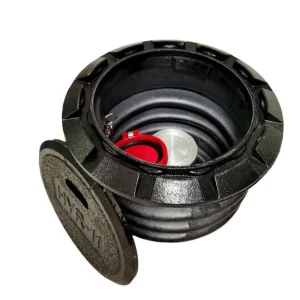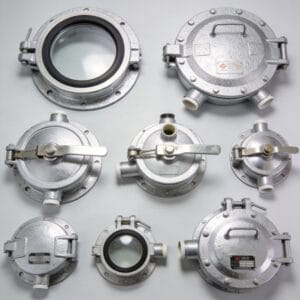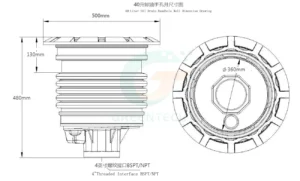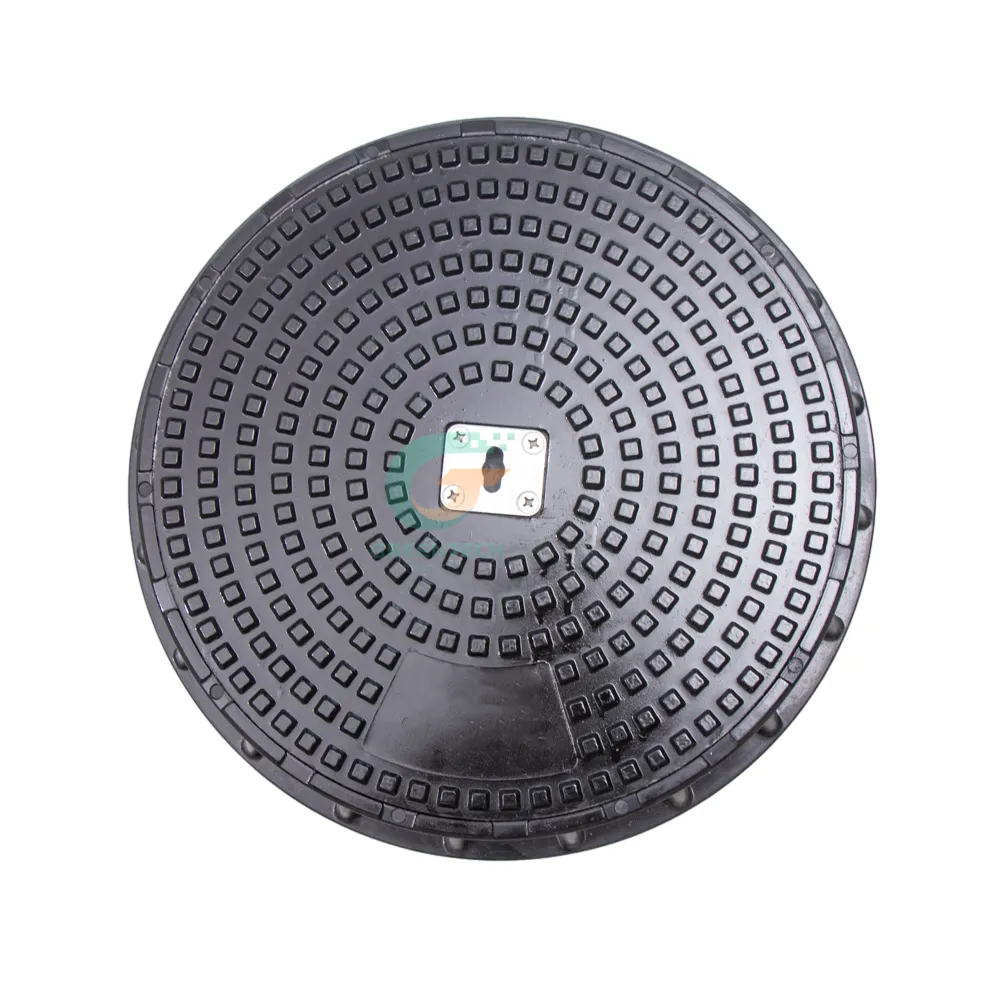
When you stroll through the bustling streets of any city, you’re likely to encounter one of urban infrastructure’s unsung heroes: the manhole cover. These hardy little circles of metal are more than just stepping stones or skateboard ramps—they’re crucial access points to the intricate web of utilities that lie beneath our feet. But beyond their utilitarian purpose, have you ever pondered, “What is a manhole cover” really all about? Surprisingly, these covers could tell you stories of engineering prowess, safety considerations, and even artistic expression if they could speak.
For something so seemingly mundane, the manhole cover has an intriguing history. They date back to the ancient Roman Empire, evolving through time to meet ever-changing technological needs and aesthetic desires. Did you know some cities even boast colorful, customized manhole covers that are considered public art? From their design and material selection to their role in modern urban planning, understanding what’s a manhole cover unravels a fascinating layer of city life that often goes unnoticed. So join us as we lift the lid on this humble yet mighty component of our everyday environment.
The Origin and Evolution of Manhole Covers
The concept of accessing underground utility tunnels can be traced as far back as the ancient Romans, who used primitive stone slabs to cover drainage channels and sewers. As cities grew during medieval times, wooden planks and simple metal plates began to replace stone, providing quicker access to water lines and waste systems. By the 19th century, with the rise of steam power and industrial engineering, cast iron manhole covers emerged as the go-to solution. Their weight and durability prevented accidental displacement while allowing maintenance crews to lift them when needed.
In the late 1800s, engineers standardized cover sizes and shapes—primarily round, to ensure they wouldn’t fall through their openings. This era also saw the introduction of patented locking mechanisms to deter theft and unauthorized entry. Moving into the 20th century, improvements in metallurgy led to ductile iron and composite materials, enhancing load-bearing capacity and reducing weight. Today’s manhole covers are the product of over two millennia of incremental innovation, reflecting a continual drive to balance functionality, safety, and longevity.
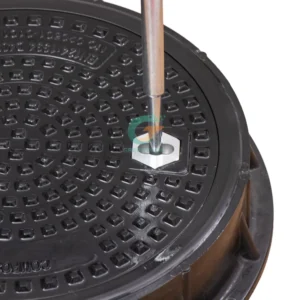
Modern urban planners and utility companies collaborate closely to adapt cover designs to local needs—whether riot-proof locking for transit tunnels or slip-resistant patterns in rainy climates. The evolution of manhole covers mirrors the broader narrative of civil engineering: a quest to keep cities running smoothly, safely, and efficiently. Next time you walk past one, remember it’s not just a metal disc—it’s a testament to centuries of problem-solving ingenuity.
Materials Used in Manufacturing Manhole Covers
Traditional manhole covers are most commonly made from cast iron, prized for its compressive strength and durability under heavy traffic loads. Cast iron offers excellent wear resistance, making it suitable for high-traffic intersections and industrial zones. Over time, manufacturers began experimenting with ductile iron—a form of cast iron with added nodular graphite—which provides greater tensile strength and impact resistance while maintaining cost-effectiveness.
In recent decades, composite materials such as fiberglass-reinforced plastic (FRP) and polymer concrete have gained popularity. These composites deliver significant weight reductions—often 50–75% lighter than iron—making installation and removal safer for workers. They also resist corrosion, which is crucial in coastal or chemical-exposed environments. Many composites are engineered to meet load class requirements defined by standards like EN 124 or ASTM, ensuring they bear vehicular traffic without cracking or deformation.
Beyond iron and composites, some specialty covers incorporate stainless steel or aluminum alloys to address specific needs, such as magnetic levitation track beds or decorative pedestrian plazas. Manufacturers may embed anti-theft devices, reflective inlays, or noise-dampening gaskets depending on application. Material selection thus becomes a balancing act among cost, weight, durability, environmental conditions, and regulatory compliance—each factor determining which “what’s a manhole cover” solution fits a given project.
Safety Standards and Regulations for Manhole Covers
Ensuring public safety around manholes involves strict adherence to regional and international standards. Organizations like the American Society for Testing and Materials (ASTM) and the European Committee for Standardization (CEN) publish detailed load-classification tables—ranging from pedestrian-only to highway-class covers—that specify maximum bearing capacity and permissible deflection. Covers are tested in labs under static and dynamic loads to confirm they won’t crack or deform under repeated traffic stresses.
Additionally, slip resistance is governed by coefficients defined in standards such as ASTM D2047 or EN 13036, requiring surface patterns that prevent skidding even when wet. Sealing requirements address odor control and water ingress; gaskets or rubber rings may be incorporated to keep sewer gases contained. For high-security installations—like subway tunnels or sensitive utility vaults—locking mechanisms meeting TSA or local authority specifications ensure covers cannot be opened without proper tools.
Local municipalities often enforce supplemental regulations covering installation depth, frame anchoring methods, and inspection intervals. In earthquake-prone regions, covers must withstand seismic uplift and torsional forces, prompting additional certification. Compliance with these comprehensive safety regulations transforms a simple cast-iron lid into a rigorously engineered barrier, safeguarding both infrastructure and public welfare.
Artistic Expressions and Customized Designs
While functionality remains paramount, many cities have turned manhole covers into canvases for public art. Japan is renowned for its vibrant, city-themed covers depicting local landmarks, festivals, or flora and fauna. These intricate designs are not just decorative; they foster civic pride and tourism. In Europe, municipalities commission artists to etch geometric patterns, historical scenes, or corporate logos onto covers, making urban streetscapes more engaging.
Customized manhole covers can also serve practical purposes: color-coding for utility types (water, gas, telecom), embossed QR codes linking to digital infrastructure maps, or reflective paint for nighttime visibility. When a city asks “whats a manhole cover” in its branding campaign, the answer extends beyond utility access—it becomes a statement of local identity and creativity. Limited-edition covers released during cultural events or sports tournaments often become collector’s items, blending infrastructure with memorabilia.
Advances in CNC machining, laser etching, and powder-coating allow for high-resolution images to withstand heavy use and harsh weather. Some cities even host design competitions, inviting residents to submit artwork for upcoming cover installations. By marrying functionality with aesthetics, these covers transform overlooked sidewalk fixtures into conversation pieces, reminding us that engineering and art can coexist in the most unexpected places.
Environmental Impact and Sustainability of Manhole Covers
The environmental footprint of manhole covers begins with raw material extraction. Traditional cast iron production involves significant energy use and CO₂ emissions. However, most foundries today incorporate recycled scrap metal—often up to 90% of the melt—to reduce virgin ore consumption. Recyclability is a core benefit: at end-of-life, iron covers can be melted down repeatedly without losing strength.
Composite and polymer covers present an alternative with lower manufacturing emissions and lighter transport weight. Their corrosion resistance extends service life, minimizing replacement frequency and landfill waste. Some composites are formulated with bio-based resins or reclaimed fibers to enhance sustainability credentials. Yet the trade-off can be reduced load capacity compared to iron, so suitability depends on traffic demands.
Innovations in design also mitigate environmental impact. Perforated or slotted covers can function as stormwater grates, capturing runoff and filtering debris. Green manhole assemblies—combining planters and grates—help manage urban heat islands and support rain gardens. By integrating sustainable materials and multipurpose functionality, modern manhole covers reflect growing commitments to resource efficiency and ecological resilience.
Conclusion: Appreciating the Unsung Hero – The Manhole Cover
From ancient Rome’s cobblestone streets to today’s high-tech urban grids, manhole covers have quietly supported the growth of modern civilization. They protect vital utilities, ensure public safety, and even serve as canvases for artistic expression. When you next spot one, remember the centuries of innovation and engineering expertise beneath its robust surface.
Answering the question “whats a manhole cover” reveals more than a simple utility lid—it unveils a dynamic interplay of materials science, regulatory standards, environmental stewardship, and creative design. By recognizing these unassuming discs as integral parts of city life, we can appreciate their role as true unsung heroes of urban infrastructure.