Benefits of Concrete Channel Drainage Systems
You have likely seen it every time a heavy storm rolls through: that stubborn, muddy pool of water sitting right at the end of your driveway that inevitably turns into an icy hazard during winter. According to home inspection experts, preventing standing water on driveways is one of the most critical steps to avoid cracked concrete and basement seepage. This widespread problem happens because of “sheet flow,” which is simply a broad layer of water moving rapidly across a flat surface like your patio.
Instead of letting that moisture erode your foundation, you can capture it using a simple “ground gutter.” Beneath the sleek metal grates you drive over lies the anatomy of this hidden system: a long, U-shaped concrete trench designed to intercept that rushing water before it breaches your garage threshold. Industry data reveals that implementing proper surface water runoff management strategies routinely saves homeowners thousands in structural repairs.
Investing in concrete channel drainage transforms a vulnerable property line into an actively protected zone. By giving gravity a helping hand, these systems quickly funnel harmful runoff away from your home toward a safe discharge point, extending the lifespan of your pavement.

Polymer vs. Traditional Concrete: Choosing the Material That Lasts 50+ Years
Pouring a perfectly sloped trench by hand is a frustrating, messy weekend project. Fortunately, modern water management systems use a smarter approach: the precast concrete drainage channel. These factory-made units arrive perfectly formed and ready to drop into the ground, letting you connect pieces together like plumbing rather than mixing heavy bags of cement and guessing the correct slope.
Selecting these ready-made units introduces an important choice about what goes into your ground. Comparing polymer concrete vs traditional concrete channels reveals a massive leap in backyard engineering. Polymer concrete replaces standard water and cement powder with a liquid plastic resin. Think of it like binding sand together with heavy-duty superglue instead of mud; the result is a rock-solid, watertight trough that outperforms older materials.
This resin upgrade provides a crucial survival feature for driveways: chemical resistance. Standard cement acts like a sponge, absorbing winter road salts, dripping motor oil, and radiator fluid until the material eventually flakes apart. Conversely, a heavy duty concrete drainage channel made of polymer resin is non-porous, offering major advantages for homeowners:
- Weight: Half as heavy as standard mixes, making DIY positioning much safer.
- Lifespan: Routinely survives 50+ years without cracking or crumbling.
- Chemical Resistance: Completely repels corrosive winter salts and vehicle fluids.
- Installation Speed: Interlocking segments snap together in a single afternoon.
Knowing your underground trench material will survive decades of harsh weather is comforting, but the system still faces massive physical threats from above, specifically the sheer weight of daily vehicle traffic.
Decoding Load Classes: Will Your SUV Break Your Drain?
You’ve probably felt that unsettling crunch when driving over an old, failing driveway grate. When a drain isn’t built to handle the sheer weight of an SUV, the edges of the surrounding concrete begin “spalling”—flaking and chipping away into sharp, ugly fragments. This structural failure happens because the downward force of the vehicle crushes the trench walls, pushing the cover into the concrete until everything shatters.
Preventing this disaster means understanding the “Vehicle Scale” used by manufacturers, or having the EN 1433 load classifications explained simply. This A-through-F grading system dictates safe rolling capacities. Class A handles basic foot traffic, while Class B supports standard family sedans. If heavy delivery trucks or RVs regularly pull onto your driveway, you must step up to a Class C rating to survive the pressure.
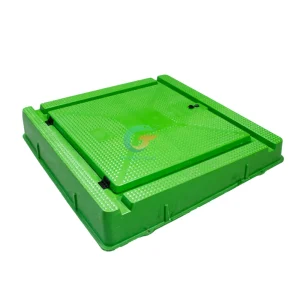
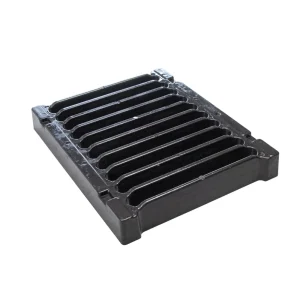
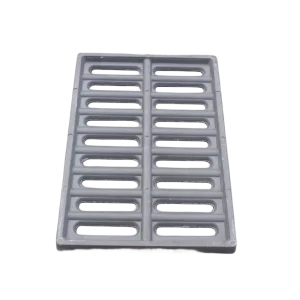
Matching those weight categories requires choosing the correct cover material for your heavy duty channel drainage setup. While plastic covers work perfectly fine around a walking-only pool deck, frequent vehicle traffic demands stronger ductile iron grate options. These iron grates flex slightly under heavy loads without snapping, and they typically feature secure lockdown bolts to prevent “grate rattle”—the annoying and damaging clatter that occurs when tires strike a loose fitting.
Securing a trench that safely supports heavy vehicles gives you incredible peace of mind at the surface. Yet, even the strongest iron covers cannot help if you hit solid bedrock or thick tree roots just a few inches underground, limiting the depth of your installation.

Shallow vs. Deep Channels: Solving the ‘Limited Depth’ Problem
Striking solid bedrock or a thick tree root just inches below your driveway quickly turns a simple weekend project into a frustrating standstill. When digging deep simply is not an option, a low profile drainage channel becomes your best structural solution. A shallow drainage channel is specifically designed for retrofitting into existing concrete slabs or sliding over shallow utilities, allowing you to install protective drainage without renting heavy excavation equipment or destroying your landscape.
However, a shallow concrete drainage channel cannot handle the massive downpours of a summer thunderstorm quite like a standard, deeper trench. The difference lies in hydraulic capacity—think of it as a funnel’s neck size. If a massive volume of storm runoff hits a small channel, the water backs up and floods your garage exactly like a crowded hallway during a fire drill. Choosing a deeper trench ensures that sudden, heavy rainfall has plenty of room to gather and flow away before ever breaching the grate.
Regardless of which depth you require, the water inside still needs a continuous downward tilt to exit the system effectively. To prevent standing puddles inside the trench, builders rely on the 1% slope rule, meaning the channel’s invert level (the inside bottom surface) must drop about one-eighth of an inch for every foot of length. Getting this subtle slope perfectly aligned underground is exactly where many struggle, highlighting the importance of proper component usage: trenches, silt traps, and sumps.
The Professional’s Secret to Installation: Trenches, Silt Traps, and Sumps
Before you install driveway drainage channel systems, you must answer one crucial question: where is all that water going? Dumping runoff into a neighbor’s yard or directly onto the street is often illegal and simply relocates your flooding problem. Every setup needs a planned “outfall”—a dedicated discharge point like a municipal storm sewer or a safe rain garden—to handle the collected water legally and safely.
Protecting that underground outlet pipe from clogs is exactly where silt traps and sumps become essential. Think of a silt trap as the lint screen in your clothes dryer. It is a small, removable basket sitting between your concrete channel and the outflow pipe, purposefully designed to catch leaves, gravel, and heavy dirt before they can travel deep underground and cause an expensive blockage.
To ensure a flush, drive-over finish that won’t crack under a vehicle’s weight, professionals follow this reliable 5-step installation guide for linear drains:
- Trenching: Dig a trench wide and deep enough to hold the channel, plus an extra 4 inches on the bottom and sides.
- Bedding: Pour a 4-inch base of wet “bedding concrete” to give the channel a rock-solid foundation.
- Leveling: Set the channels into the wet mix, ensuring the top grate sits slightly below your final driveway surface.
- Connection: Link the channels together and attach the lowest end to your silt trap.
- Backfilling: Pour more concrete along the sides to lock the system firmly in place.
With the concrete drainage channel installation complete and fully cured, your property is finally protected from punishing rainstorms. However, ensuring that water continues moving swiftly requires occasional attention to keep the system self-cleaning and clog-free.

Beyond the Install: Keeping Your Channels Self-Cleaning and Clog-Free
You might think a drain is just a ditch, but its internal shape actually does half the maintenance for you. Modern concrete channels feature a U-shaped bottom rather than a flat, square trench. This curve creates a self-cleaning hydraulic design—a funnel effect that speeds up the water as it drops, naturally flushing out dirt and small pebbles before they can settle and cause clogs.
While maintaining linear drainage systems is much easier thanks to this design, regular care remains essential. Depending on your setup, a narrow slot drain vs grated channel might catch fewer bulky leaves but can be trickier to reach into. Keep either style pristine with this quick seasonal checklist:
- Sweep the surface: Clear away yard debris so water can actually enter the drain.
- Empty the trap: Dump your removable silt basket before it overflows into the underground pipes.
- Check the edges: Spot and seal minor cracks in the surrounding concrete early.
Verify everything flows perfectly by performing a simple garden hose test. Blast water into the channel’s highest point for five minutes; if it begins to back up, you likely have a hidden blockage to clear. Regular maintenance guarantees your system remains ready for the next major storm.
Your Dry Property Roadmap: Next Steps for a Flood-Free Future
While driveway puddles may seem like a simple muddy annoyance, they are active threats to your foundation. Investing in proper concrete channel drainage actively protects your property’s value. This system costs a fraction of what you would eventually spend repairing cracked concrete slabs or a flooded basement.
Solving your water issues starts by observing where water pools during the next heavy rain. To protect a standard walking path or patio, a lightweight DIY kit like an NDS drainage channel is a practical weekend project. However, if your driveway handles heavy delivery trucks, hiring a professional to install a load-rated stormwater drainage channel ensures long-term structural integrity.
By giving runoff a dedicated, sloped path away from your home, you immediately transform a seasonal water hazard into a reliably dry, protected, and welcoming space.