Imagine this: you’re strolling down a bustling city street, unaware of the unsung heroes beneath your feet—the hidden labyrinth of sewers and utility networks. Maintaining these critical systems involves a range of tools, but none perhaps as underappreciated as the manhole cover hook. This seemingly simple tool plays a pivotal role in ensuring our cities run smoothly. Without it, routine maintenance would turn into a cumbersome ordeal, affecting everything from traffic flow to public safety. Its ingenious design has evolved over time to adapt to the diverse environments and challenges posed by urban infrastructure.
The manhole cover hook isn’t just a piece of metal; it’s a testament to how the most straightforward tools can have the most significant impact. From providing leverage to ensuring worker safety, this device is instrumental in allowing technicians to access the intricacies of our urban world. But how did it achieve such a vital status in city maintenance? In this blog post, we delve into the evolution, design, and indispensable utility of the manhole cover hook, uncovering its significance far beyond its size. Whether you’re a city planner, engineer, or simply curious about the marvels beneath your feet, join us as we explore this fascinating subject.
The Evolution of Manhole Cover Hooks: From Simple Tools to Ingenious Devices
The origins of the manhole cover hook date back centuries, when early civil engineers and laborers sought simple ways to lift heavy iron or stone pavers that sealed off access points to underground chambers. Initially, makeshift wooden or metal rods with a bent end served the purpose of prying up covers. These rudimentary devices required brute strength and exposed workers to the risk of strained muscles or dropped lids. Over time, craftsmen began refining the shape and angle of the hook, leading to better leverage and grip. By the Industrial Revolution, blacksmiths in urban centers were hand-forging specialized hooks with tapered tips designed to fit standard manhole cover slots safely and securely.
As cities expanded and underground infrastructure grew more complex, the need for standardized, durable tools became clear. In the early 20th century, municipal maintenance departments adopted mass-produced steel hooks coated with corrosion-resistant finishes. The gradual introduction of ergonomic handles and adjustable shafts enhanced comfort and reduced fatigue for users who often handle dozens of manhole covers in a single shift. Today’s modern manhole cover hooks are the culmination of centuries of incremental improvements, combining high-strength alloys, precision tips, and user-friendly grips. This evolution underscores how a tool as seemingly simple as a manhole cover hook can undergo dramatic transformations to meet the ever-increasing demands of urban maintenance.
Understanding the Design Principles Behind Manhole Cover Hooks
At the heart of every effective manhole cover hook lies a set of core design principles: leverage, durability, and ergonomics. The hooked end must engage securely with the manhole cover slot without slipping or causing damage. Designers often use a 45-degree angle on the tip to ensure optimal penetration into the slot while maximizing lift. Material selection is equally crucial—high-grade steel alloys offer the toughness needed to withstand repeated stress and resist bending under heavy loads.
Equally important is the handle design, which addresses both comfort and safety. Many modern manhole cover hooks feature molded rubber grips that absorb shock and reduce hand fatigue during repetitive tasks. Some variants incorporate telescoping shafts, allowing workers to maintain proper lifting posture and minimize back strain. By balancing mechanical advantage with user-friendly features, manufacturers deliver tools that seamlessly integrate into daily maintenance routines—proving that thoughtful design can transform a basic hook into an indispensable asset for utility crews worldwide.
Innovations and Advancements in Manhole Cover Hook Technology
The latest generation of manhole cover hooks goes beyond simple steel rods, incorporating advanced features to enhance efficiency and safety. One notable innovation is the integration of telescopic handles with locking mechanisms, enabling workers to adjust length on the fly and achieve ideal leverage points without carrying multiple tools. This adaptability is especially beneficial when dealing with varying cover depths or confined spaces. In addition, some manufacturers have introduced corrosion-resistant coatings such as epoxy or polyurethane, significantly extending the tool’s service life in harsh environments.
Technological advancements have also introduced modular attachments. For instance, LED clip-on lights can be affixed near the hook tip, illuminating dark manholes before removal. Sensor modules are now being tested to detect cover weight and alert technicians if the load exceeds safe handling thresholds. These innovations not only streamline workflows but also contribute to a safer work environment, minimizing the risk of accidents and work-related injuries. As urban infrastructure continues to evolve, we can expect even more sophisticated developments in manhole cover hook technology—pushing the boundaries of what a seemingly simple tool can achieve.
Safety Considerations and Best Practices When Using Manhole Cover Hooks
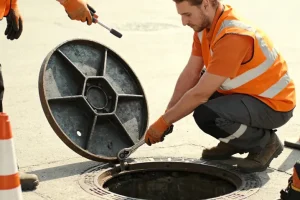
While the manhole cover hook might appear straightforward, improper use can lead to serious injuries or property damage. The first rule of thumb is to perform a visual inspection before use: check for cracks, bends, or corrosion on the hook tip and shaft. Damaged tools should be removed from service immediately to prevent accidents. Always ensure that the hooked end fully engages the manhole cover slot before applying upward force, and maintain a stable footing to avoid slips and falls.
PPE (Personal Protective Equipment) is paramount. Workers should wear heavy-duty gloves for grip protection and steel-toed boots to guard against dropped covers. When lifting particularly heavy or stuck lids, enlist a colleague to assist—team lifts reduce individual strain and improve control. Additionally, establish a clear perimeter around the work area to keep pedestrians and vehicles at a safe distance. By following these best practices, maintenance crews can mitigate risks and keep essential infrastructure work progressing smoothly.
Environmental Impact and Sustainability Aspects of Manhole Cover Hooks
In today’s eco-conscious world, even tools like the manhole cover hook are subject to sustainability scrutiny. Most modern hooks are manufactured from recyclable steel alloys, allowing end-of-life units to be melted down and repurposed into new tooling or construction materials. Some brands are exploring the use of bio-based or water-based coatings instead of solvent-heavy paints, reducing volatile organic compound (VOC) emissions during production. This shift not only shrinks manufacturers’ environmental footprint but also enhances worker safety in factory settings.
Longevity is another key sustainability factor. A well-maintained manhole cover hook can last decades, minimizing the demand for frequent replacements. Routine cleaning and lubrication prevent rust and mechanical wear, extending service life and reducing resource consumption. By selecting durable, eco-friendly tools and adopting proper maintenance regimes, municipalities and contractors can demonstrate commitment to both operational efficiency and environmental stewardship.
Conclusion: Reflecting on the Unsung Heroism of Manhole Cover Hooks
Though easily overlooked, the manhole cover hook exemplifies how simple innovations can yield profound impacts on urban infrastructure maintenance. Its evolution from handmade rods to sophisticated, ergonomic devices highlights the ingenuity of engineers and craftsmen dedicated to improving public service tools.
As cities continue to grow and demands on utility systems intensify, the humble manhole cover hook will remain a vital component in keeping our subterranean networks accessible, safe, and sustainable.